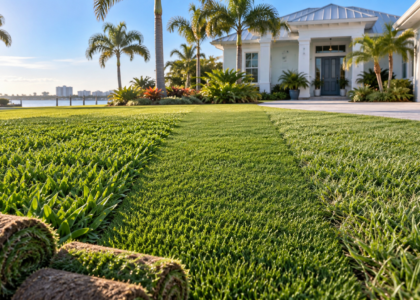
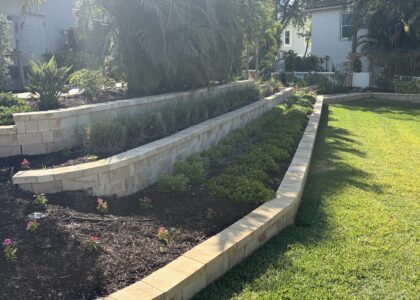
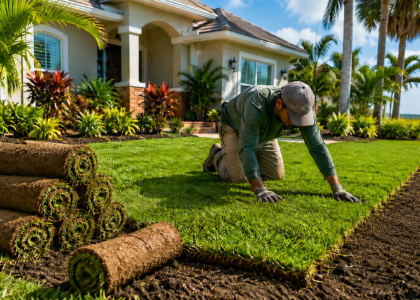
A landscape cleanout prepares your yard for a successful renovation. First, decide what to keep and what to remove.
Overgrown shrubs, weeds, dead plants, old mulch, vines, roots, and accumulated debris can hide the true condition of a property. They may cover irrigation equipment, drainage problems, uneven soil, damaged pavers, and landscape beds that no longer fit the yard.
A professional landscape cleanout clears these unwanted materials and creates a better starting point for future improvements. Once the property is open and easier to inspect, homeowners can make more informed decisions about sod, plants, irrigation, drainage, patios, walkways, fences, and retaining walls.
What Is a Landscape Cleanout?
A landscape cleanout is a focused service that removes unwanted vegetation, debris, and outdated landscape materials.
It is more extensive than routine mowing or light trimming. The goal is to clear neglected or crowded areas so the yard can be maintained more easily or prepared for renovation.
Depending on the property, a cleanout may include:
- Removing weeds and unwanted growth
- Cutting back overgrown shrubs
- Removing dead or declining plants
- Clearing vines from fences and landscape beds
- Removing leaves, branches, and palm debris
- Cleaning out old mulch and loose material
- Clearing access to irrigation equipment
- Opening blocked walkways and patios
- Hauling away landscape debris
You do not need to remove every plant. Healthy trees, palms, shrubs, and established plants may remain when they still fit the property and renovation plan.
When Is a Cleanout Needed Before Renovation?
Some yards are clear enough to evaluate without extensive preparation. Others contain so much growth or debris that planning a renovation becomes difficult.
A landscape cleanout may be needed when:
- Plant beds are hidden beneath weeds
- Shrubs block windows or walkways
- Vines have spread across fences or other plants
- Dead vegetation remains throughout the property
- Old mulch and leaves have formed deep layers
- Irrigation heads cannot be located easily
- Drainage openings are covered
- The original bed lines are no longer visible
- Patio or paver edges are buried
- Several parts of the yard are difficult to access
Removing these materials allows the contractor and homeowner to see the property more clearly before selecting new plants or materials.
Start With a Complete Property Review
Before cleanup begins, walk the entire yard with your contractor.
This includes the front, back, and side areas, along with patios, fences, walkways, landscape beds, and utility locations.
Use this review to decide what to remove and what to keep. A mature shrub may only need selective trimming, while another may have outgrown its location and no longer fit the design.
The assessment should consider:
- Plant health
- Mature plant size
- Sunlight
- Property access
- Drainage patterns
- Irrigation equipment
- Trees and major roots
- Existing hardscape
- Potential equipment routes
- The homeowner’s renovation goals
Making these decisions first helps the crew protect useful landscaping.
Remove Dead and Unwanted Plants
The crew should generally remove dead plants before adding new landscaping.
They take up space, make the yard look neglected, and can make it harder to plan the new layout. Plants that are severely damaged, repeatedly failing, or poorly placed may also need to be removed.
However, it is important to understand why a plant declined.
Possible causes include:
- Too much or too little sunlight
- Improper irrigation
- Standing water
- Poor soil conditions
- Crowding
- Damage from weather or equipment
- Unsuitable plant selection
If the same conditions remain, installing an identical replacement may lead to another failure. The renovation plan should match new plants with the conditions in each area.
Clear Heavy Weed and Vine Growth
Weeds and vines can spread quickly through landscape beds and fence lines.
Vines may grow through shrubs, across gates, or around irrigation equipment. Large weeds can hide bed borders and make the property difficult to maintain.
A cleanout removes the visible growth and opens the area for further evaluation. However, you will still need ongoing weed control after the first service.
The cleanup may also reveal compacted soil, damaged edging, exposed roots, or areas where grass has spread deeply into planting beds.
Trim Plants That Will Remain
You can often keep healthy plants.
Selective trimming can improve access and help determine whether a plant still fits the new landscape. The crew may need to trim shrubs near windows, paths, patios, or other plants.
Trimming should account for the natural shape and growth pattern of the plant. Cutting every shrub into the same size or shape may not produce the best long-term result.
A plant that requires constant severe trimming may be too large for its location. Replacing it with a smaller variety may reduce future maintenance.
Clean Out Landscape Beds
Old landscape beds may contain weeds, leaves, buried mulch, plant debris, roots, and unwanted grass.
Removing this buildup exposes the soil and helps reveal the original bed shape. It also makes it easier to determine whether the bed should be kept, expanded, reduced, or redesigned.
During the cleanout, the contractor may discover:
- Uneven soil
- Low areas
- Erosion
- Hidden irrigation heads
- Damaged borders
- Plants installed too closely together
- Excessively deep mulch
- Roots near the surface
The contractor can then address these issues before adding soil, mulch, or plants.
Remove Landscape Debris From the Property
A cleanout can produce a large amount of material.
The crew needs to collect and haul away branches, leaves, weeds, vines, shrubs, roots, and old materials. Moving debris into another part of the yard does not complete the cleanup.
Proper removal creates room for equipment, materials, and future work. It also helps the homeowner see the progress and understand the remaining condition of the property.
The quote should list the debris removal and hauling services it covers.
Reveal Hidden Irrigation Problems
Heavy growth can hide sprinkler heads, valve boxes, leaks, and damaged irrigation lines.
After clearing the area, the crew should test the irrigation system. They should also check how well each zone covers the plants or lawn.
Common problems include:
- Broken sprinkler heads
- Blocked spray patterns
- Leaks
- Heads positioned below the soil
- Water spraying patios or walls
- Dry spaces between sprinklers
- Excess water in landscape beds
The crew should generally finish irrigation repairs or layout changes before adding sod, plants, or hardscaping.
Identify Drainage Concerns
A cleanout may uncover signs that water is not moving through the property correctly.
Leaves, roots, weeds, and mulch can cover drains or block shallow water paths. Overgrowth may also hide erosion, low areas, or soil that remains wet.
Look for:
- Standing water
- Soft or muddy ground
- Washed-out soil
- Mulch collecting on patios
- Water marks near hard surfaces
- Exposed plant roots
- Erosion around slopes
- Blocked drainage grates
Address drainage before adding sod, plants, or pavers. Otherwise, the crew may need to remove finished work later.
Expose Patio and Walkway Edges
Grass, soil, weeds, and plants often spread across the edges of patios and walkways.
Clearing these areas can restore usable space and reveal the condition of the hardscape.
After clearing the edge, check for:
- Sunken pavers
- Loose borders
- Widened joints
- Soil erosion
- Standing water
- Roots affecting the surface
- Damage hidden by plant growth
Cleaning alone will not correct movement beneath the surface. Uneven sections may require additional assessment before the surrounding landscape is completed.
Prepare the Property for New Sod
A landscape cleanout can be the first step in replacing a damaged lawn.
Before new sod is installed, unwanted grass, weeds, roots, rocks, and debris may need to be removed. The soil can then be graded and prepared.
The lawn area should also be evaluated for:
- Sunlight
- Drainage
- Irrigation coverage
- Low spots
- Compacted soil
- Foot traffic
- Tree shade
Installing sod without correcting these conditions may lead to recurring damage.
Prepare for New Landscape Beds
Once the property is cleared, new planting beds can be designed around the home, patios, walkways, and lawn areas.
The updated layout should consider plant mature sizes, irrigation, sunlight, and access for future maintenance.
Cleanout work may show that an old bed is too narrow for the existing plants or located in an area where water collects. Redesigning the shape can create more appropriate growing space and cleaner lines.
Finish the new plan before the crew installs plants and mulch.
Improve Access for Hardscape Work
Patio, walkway, fence, and retaining wall projects require room for workers, equipment, excavation, and materials.
Overgrown plants and debris can block access to the work area. Clearing the route before construction begins may reduce delays and help protect landscaping that will remain.
The cleanout should consider where equipment will enter and how debris or excavated material will leave.
If you plan several improvements, coordinate the work order carefully. Address underground drainage and irrigation before adding pavers, sod, and plants.
Decide What Should Stay
A cleanout should not automatically remove every existing plant or landscape feature.
Healthy, properly placed trees and shrubs can provide shade, privacy, and structure. Keeping selected mature plants can also help the renovated yard feel established.
Before removal, ask:
- Is the plant healthy?
- Does it fit the future design?
- Is it suitable for the sunlight and soil?
- Will it become too large?
- Does it block access or visibility?
- How much maintenance does it require?
- Does it interfere with drainage or irrigation?
These questions help separate useful landscaping from growth that creates recurring problems.
Avoid Clearing the Yard Without a Plan
Removing everything may appear to create a blank canvas, but it can also eliminate valuable shade and privacy.
A completely bare yard may require more new material and installation work than expected. It can also expose views or areas that were previously screened.
When possible, the homeowner should have at least a general renovation plan before major removal begins.
The plan does not need to include every plant variety, but it should identify the main areas for lawn, planting beds, patios, walkways, drainage, and other features.
Plan for Easier Maintenance
A landscape cleanout provides an opportunity to rethink how much ongoing care the yard should require.
The renovated property may be easier to maintain when it includes:
- Plants matched to the available space
- Fewer fast-growing shrubs
- Clear bed borders
- Better irrigation coverage
- Improved drainage
- Accessible equipment
- Appropriate lawn areas
- Open walking routes
Reducing future maintenance does not require removing all plants. It involves making better choices about placement, size, and layout.
When a Cleanout Becomes a Full Renovation
Some properties only need trimming, weed removal, and debris hauling. Others need a more complete redesign after the cleanout reveals widespread concerns.
A full landscape renovation may include:
- New plants
- New sod
- Irrigation changes
- Drainage improvements
- Patio or paver installation
- Retaining walls
- Fence installation
- Landscape lighting
- New bed layouts
The cleanout creates the foundation for these improvements by removing the materials that no longer serve the property.
Professional Landscape Cleanout in St. Petersburg
A landscape cleanout can uncover the true condition of an overgrown or neglected yard. Removing weeds, dead plants, debris, crowded growth, and outdated materials creates a clearer starting point for renovation.
CDS Landscaping provides landscape cleanout, renovation, design, sod installation, irrigation, drainage, patio, paver, fence, retaining wall, and lighting services in St. Petersburg, Seminole, Largo, Pinellas Park, Clearwater, and surrounding communities.
Contact CDS Landscaping to request a quote and discuss how a professional cleanout can prepare your property for its next landscaping project.