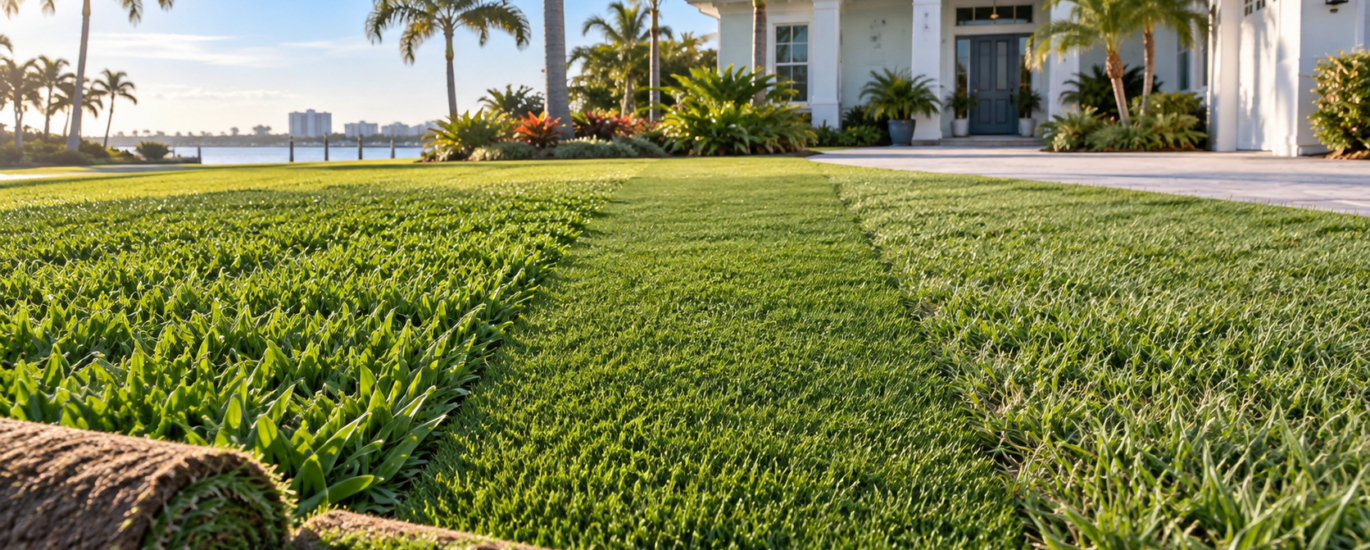
New sod can quickly improve the appearance and usability of a yard. However, choosing sod involves more than selecting the grass that looks best. The right type should match the property’s sunlight, soil, drainage, irrigation, foot traffic, and maintenance needs.
Lawns in St. Petersburg must handle strong sunlight, high temperatures, sandy soil, heavy seasonal rain, and occasional dry periods. Conditions can also vary within the same property. A sunny front yard may have different needs than a shaded backyard surrounded by mature trees.
CDS Landscaping installs three popular Florida sod types: St. Augustine, Zoysia, and Bahia. Each has its own appearance, strengths, and growing requirements. Understanding these differences can help homeowners make an informed decision before scheduling professional sod installation in St. Petersburg.
Why Choosing the Right Sod Matters
Sod is a living part of the landscape. How well it performs depends on whether the grass is suitable for the property.
A grass that needs abundant sunlight may become thin beneath heavy tree coverage. A variety that performs in partial shade can still struggle if the soil remains wet. A beautiful lawn can also become difficult to maintain if its needs do not match the homeowner’s available time.
Before selecting sod, consider how many hours of direct sunlight the yard receives. Drainage, irrigation coverage, foot traffic, pets, desired appearance, and ongoing maintenance should also influence the decision.
St. Augustine, Zoysia, and Bahia can all grow in Florida. The best choice depends on how each variety fits the conditions of the individual yard.
St. Augustine Sod
St. Augustine is one of the most recognizable grasses in Florida. Its broad blades and thick growth create the lush appearance many homeowners associate with a traditional Florida lawn.
It is commonly installed in front yards, backyards, and landscaped areas around homes. St. Augustine can perform in full sun and generally handles partial shade better than many other warm-season grasses.
Benefits of St. Augustine
St. Augustine can create a dense and attractive lawn when it receives suitable sunlight, irrigation, and maintenance. Its wide blades cover the soil and produce a full appearance after the sod becomes established.
Its ability to tolerate some shade makes it useful for properties with trees, palms, fences, and buildings that block sunlight during part of the day. However, partial shade is different from deep shade. St. Augustine may still become thin in areas that receive very little light.
St. Augustine may be a good fit for homeowners who want a classic Florida lawn, broad green blades, and grass that can handle a combination of sun and partial shade.
What to Consider
St. Augustine needs dependable irrigation, especially while newly installed sod develops roots. Uneven watering can create dry sections, while excessive watering may contribute to unhealthy growing conditions.
The grass can also be affected by insects, lawn disease, poor drainage, and improper mowing. Homeowners should watch for changes in color, thickness, or growth so concerns can be identified early.
St. Augustine can support normal residential use, but frequent heavy traffic may wear down specific sections. Adding a walkway may help protect areas where people regularly cross the lawn.
Zoysia Sod
Zoysia is known for its dense growth and soft, carpet-like appearance. Its finer texture can create a polished lawn that works well with traditional or modern landscape designs.
Once established, Zoysia can handle moderate foot traffic. This may make it a good option for active yards used by children, pets, or outdoor gatherings. Its dense growth can also make it more difficult for some weeds to become established, although no sod variety completely prevents weeds.
Benefits of Zoysia
Many homeowners select Zoysia because of its texture and manicured appearance. It creates a thick surface that feels comfortable underfoot and forms attractive borders around patios, walkways, and landscape beds.
Zoysia may work well for homeowners who want a dense lawn, a finer grass texture, and a refined appearance. It can also be a practical option for yards that receive regular activity.
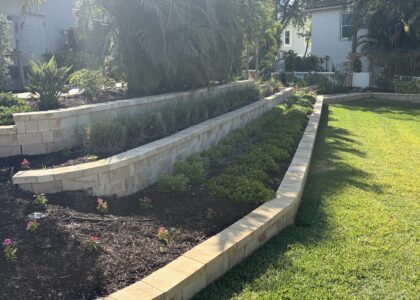
When included in a larger landscape design and installation project, Zoysia can complement planting beds, patios, walkways, and other structured landscape features.
What to Consider
Zoysia generally grows and recovers more slowly than some other warm-season grasses. If part of the lawn is damaged, the surrounding grass may need additional time to fill in the area.
Its dense growth can contribute to thatch when the lawn is not maintained properly. Mowing practices should match the grass and its current growing conditions.
Zoysia still requires proper watering and drainage. Homeowners should not assume its ability to handle some dry weather removes the need for irrigation. Newly installed Zoysia requires consistent moisture while its roots establish.
Bahia Sod
Bahia has a more natural and open appearance than St. Augustine or Zoysia. It is often selected for sunny properties, sandy soil, and larger areas where practicality is more important than creating a highly manicured lawn.
Bahia can develop a deep root system under suitable conditions. Once established, it generally handles periods of dry weather well. This can make it a practical choice for certain Florida properties.
Benefits of Bahia
Bahia is generally best suited to sunny, open areas. It can perform in sandy soil and may require less attention than grass selected mainly for its polished appearance.
This sod may be a good fit for homeowners who want practical grass for a sunny lawn, have a large open space, or prefer a more natural appearance. It may also appeal to homeowners seeking relatively simple maintenance.
What to Consider
Bahia has a coarser texture and less uniform appearance than St. Augustine or Zoysia. It may also produce visible seed heads during active growth. Homeowners who want a smooth, dense lawn may prefer one of the other options.
Shade is another important factor. Bahia typically performs best with plenty of direct sunlight and may thin out in areas covered by mature trees or buildings.
Although established Bahia can tolerate dry conditions, new sod still requires consistent watering. Every newly installed lawn needs proper moisture during the early rooting period.
Comparing St. Augustine, Zoysia, and Bahia
St. Augustine is often chosen for its thick appearance and ability to handle partial shade. It creates the traditional green lawn commonly seen throughout Florida neighborhoods. It may be appropriate for properties with mixed sun and shade, provided the lawn has dependable irrigation.
Zoysia offers a finer texture and a denser, more manicured appearance. It can work well in active yards that receive moderate foot traffic. Homeowners should understand that its slower growth means damaged sections may take longer to recover.
Bahia is generally best for sunny, open spaces. It has a coarser, more natural appearance but can be practical for sandy soil and larger lawn areas. It may be a suitable choice when durability and relatively simple upkeep are more important than creating a formal lawn.
These comparisons are general. The actual performance of any sod depends on the property, soil preparation, irrigation, drainage, installation, weather, and ongoing care.
Which Sod Is Best for a Shaded Yard?
St. Augustine is often the first option considered for a Florida lawn with partial shade. Its broad blades help it use available light, but it still requires enough sunlight to maintain healthy growth.
Zoysia may also perform in partial shade depending on the amount of light and other property conditions. Bahia generally prefers sunny areas and is less suited to heavily shaded yards.
Before choosing sod for a shaded location, observe where and when sunlight reaches the lawn. A yard receiving several hours of filtered light is different from an area that stays dark under dense tree coverage throughout the day.
Some places may be too shaded for turfgrass to remain healthy. Expanding landscape beds or adding another landscape feature may be more practical than repeatedly replacing struggling sod.
Which Sod Is Best for Children and Pets?
Zoysia’s dense growth may make it appealing for yards that receive regular use. St. Augustine can also work for ordinary residential activity, especially when foot traffic is spread across a larger lawn.
Bahia may be suitable for a large, sunny yard where a natural appearance is acceptable. However, its coarse texture may not provide the softer surface some families prefer.
New sod should not receive heavy traffic immediately after installation. The grass needs time to develop roots and connect with the prepared soil. Walking, playing, or allowing pets to run across it too soon can shift sections of sod or interfere with establishment.
Frequently used routes through the yard may benefit from patios and walkways. A defined path can organize movement and reduce repeated wear on the lawn.
Irrigation and Drainage Affect Every Sod Type
Even the right sod can struggle when water does not reach the entire lawn or remains on the surface for too long.
Before installation, the irrigation system should be checked for coverage. Sprinkler heads may need to be adjusted, repaired, or repositioned to prevent dry areas and excessive watering. CDS Landscaping provides irrigation system design and installation for properties that need new or improved irrigation coverage.
Drainage is equally important. Standing water can weaken grass, wash away soil, and create muddy sections. Low spots, compacted soil, roof runoff, improper grading, and blocked drainage routes can all cause water to collect.
If water remains after rain, the cause should be addressed before sod installation. Professional drainage solutions may involve grading or directing water toward a suitable outlet based on the property.
Preparing a Yard for New Sod
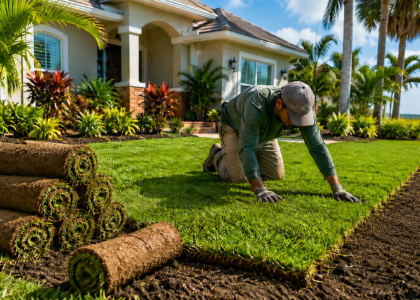
Successful sod installation begins below the grass. Installing new sod over weeds, debris, uneven soil, or unresolved drainage problems may prevent it from establishing properly.
Preparation may include removing the existing lawn, clearing debris, grading the soil, correcting low areas, checking irrigation coverage, and creating an even surface.
The sod should then be installed with tight seams and consistent contact with the soil. Irrigation timers must be adjusted to provide enough water during establishment without leaving the lawn oversaturated.
Professional Sod Installation in St. Petersburg
The best sod for a St. Petersburg lawn depends on the property. St. Augustine may work well for homeowners seeking a traditional Florida lawn that receives some partial shade. Zoysia may fit a yard where a dense appearance and moderate traffic tolerance are priorities. Bahia may be appropriate for a large, sunny property with sandy soil and a more natural style.
CDS Landscaping can evaluate the sunlight, irrigation, drainage, use, and design of your yard before recommending St. Augustine, Zoysia, or Bahia. The team handles preparation, grading, irrigation checks, sod placement, and follow-up care to give the new lawn a healthy foundation.
Whole-lawn installations generally require a minimum of 1,000 square feet. Smaller damaged sections may qualify for sod patch repair depending on the size, access, irrigation coverage, site conditions, and availability of compatible sod.
CDS Landscaping serves St. Petersburg, Seminole, Largo, Pinellas Park, Clearwater, Madeira Beach, Treasure Island, Palm Harbor, South Tampa, and surrounding communities. Contact CDS Landscaping to request an onsite consultation and determine which sod is the right fit for your Florida property.