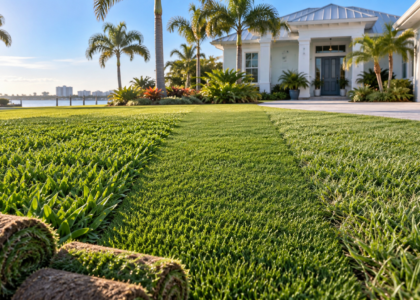
If you are planning to replace an old lawn or improve a bare yard, timing can make a big difference. Homeowners who want professional sod installation in St. Petersburg have more flexibility than people in colder parts of the country because Florida has a long growing season.
Sod can be installed during most months of the year in St. Petersburg. However, certain seasons make it easier for the grass to develop strong roots and handle changes in weather. The best time usually depends on temperature, rainfall, irrigation, and the type of grass being installed.
Understanding the benefits and challenges of each season can help you plan a healthier and more successful lawn.
Why the Time of Year Matters
Fresh sod is living grass that has been cut from another growing area and moved to your property. After installation, the roots must grow into the soil below before the lawn becomes fully established.
During the first few weeks, the sod depends heavily on moisture and proper ground contact. Warm soil helps roots grow, but extreme heat can dry the grass quickly. Cooler temperatures reduce moisture loss, but the grass may establish more slowly.
The timing of your sod installation can affect:
- Root development
- Watering needs
- Heat stress
- Growth speed
- Long-term lawn health
Good timing helps, but proper soil preparation and early care are just as important.
Spring Is One of the Best Times to Install Sod
Spring is often considered one of the best times to lay sod in St. Petersburg, FL.
From March through May, temperatures begin to rise and warm-season grasses enter a period of active growth. The soil is usually warm enough for roots to develop, while the weather is not yet as intense as it becomes during the middle of summer.
Spring installation offers several benefits:
- Warmer soil temperatures
- Longer daylight hours
- Active grass growth
- More time to establish before winter
- Less heat stress than peak summer
Rainfall may also become more regular as the season moves forward, but irrigation is still necessary. New sod should not depend on rain alone during the establishment period.
Early Summer Can Support Fast Root Growth
Early summer can also be a good time to install sod in St. Petersburg.
Warm soil and high temperatures encourage quick growth. When the lawn is watered properly, roots may begin attaching to the soil within a relatively short period.
The main challenge is moisture loss. Strong sunlight, hot afternoons, and dry weather can cause new sod to dry out quickly. Watering should begin soon after installation and continue according to the needs of the grass and local weather.
Early summer can be a successful installation period when the homeowner has a working irrigation system and can closely monitor the lawn.
Can Sod Be Installed During the Hottest Summer Months?
Sod can be installed during July and August, but it requires careful attention.
The grass is actively growing during the summer, which is helpful for root development. At the same time, extreme heat increases the risk of drying, browning, and stress.
Fresh sod may need more frequent watering during the first days after installation. The goal is to keep the sod and the soil beneath it evenly moist without creating standing water.
Summer installation may be more difficult when:
- Irrigation coverage is uneven
- The property receives strong full-day sun
- Watering is delayed
- The soil drains poorly
- Sod remains stacked too long before installation
When installation and watering are handled correctly, summer sod can still establish successfully.
Fall Is Another Strong Option
Fall is often overlooked, but it can be an excellent time to lay sod in St. Petersburg, FL.
From September through November, the most intense summer heat begins to ease. Soil temperatures usually remain warm enough for root growth, while cooler air reduces stress on the grass.
Fall installation may offer:
- Less moisture loss
- Lower heat stress
- Warm soil for root growth
- More comfortable maintenance conditions
- Time to establish before spring
Homeowners should continue watering regularly, even when temperatures feel cooler. New sod still needs steady moisture while the roots are developing.
Can Sod Be Installed During Winter?
Winter sod installation is possible in St. Petersburg because the area rarely experiences long periods of freezing weather.
Warm-season grasses may grow more slowly during the winter, especially during cooler weeks. However, the roots can still begin developing when soil conditions are favorable.
Winter installation may take longer to show visible growth. The grass may also have a duller or more dormant appearance depending on the variety and weather.
The benefits of winter installation include:
- Lower evaporation
- Reduced heat stress
- Less frequent watering in some conditions
- A head start before spring growth
Homeowners should not assume that winter sod does not need water. The lawn still requires moisture until the roots become established.
Weather Conditions Matter More Than the Calendar
The month alone does not determine whether it is a good time to install sod.
A mild week in summer may provide better conditions than an unusually hot and dry week in spring. Heavy rain can also delay installation if the yard becomes too wet or muddy.
Before scheduling sod installation, consider:
- Recent rainfall
- Expected temperatures
- Irrigation access
- Soil drainage
- Sun exposure
- Upcoming storms
Sod should be installed as soon as possible after delivery. Leaving rolls or pallets stacked in the heat can damage the grass before it reaches the ground.
Proper Ground Preparation Is Essential
A successful new lawn begins with proper ground preparation. Removing old vegetation, improving the soil, and creating a level surface helps sod establish more quickly and evenly.
The installation area should be cleared of weeds, old grass, roots, rocks, and other debris. The soil should then be graded to create a smooth surface and help water drain away from the home.
Low areas may collect water and cause root problems. High spots may dry faster than the rest of the lawn. Careful grading and effective landscape drainage solutions can help create more even growing conditions across the property.
The soil should also be loosened when it is heavily compacted. New roots may struggle to grow into hard ground, even when the sod looks healthy on the surface.
Choosing the Right Grass Variety
The best sod for one property may not be the best choice for another.
Grass selection should be based on:
- Sun and shade levels
- Foot traffic
- Irrigation availability
- Soil conditions
- Maintenance goals
- Desired lawn appearance
Some grass varieties perform better in full sun, while others can handle partial shade. Certain types may also require more mowing, watering, or fertilization than others.
Choosing the right grass from the start can reduce maintenance problems and help the lawn stay healthier over time.
Watering New Sod
Watering is one of the most important parts of early sod care.
The sod and the soil below it should remain moist during the first stage of root development. Dry edges, shrinking seams, and brown patches may appear when the lawn does not receive enough water.
Watering needs vary based on the season, recent rainfall, soil type, and grass variety. Hot and windy conditions usually increase the amount of water needed.
The lawn should not remain soaked for long periods. Too much water can lead to soft soil, poor root growth, and fungal problems.
The watering schedule should gradually change as the roots become established.
When to Walk on New Sod
Foot traffic should be limited during the first few weeks.
Walking on fresh sod can cause pieces to shift, sink, or lose contact with the soil. Heavy traffic may also compact wet soil beneath the grass.
Children, pets, and lawn equipment should remain off the area as much as possible until the sod feels firmly attached.
A simple way to check the roots is to gently lift a corner of the sod. If it lifts easily, the roots are still developing. If there is resistance, the lawn is beginning to attach.
When to Mow New Sod
New sod should not be mowed until it has developed enough roots to remain securely in place.
The lawn should also be dry enough that the mower does not leave ruts or damage the soil. Mower blades should be sharp, and only a small portion of the grass height should be removed during the first mowing.
Cutting the grass too short can place extra stress on a new lawn. The correct mowing height depends on the type of sod installed.
Signs the Sod Is Establishing Properly
Healthy sod should gradually show signs of growth and attachment.
Positive signs include:
- New green growth
- Firm contact with the soil
- Less movement between pieces
- Reduced visibility of seams
- Resistance when gently lifted
- Even color across the lawn
Some minor color changes may occur after installation, especially during periods of heat or cooler winter weather. Widespread browning or loose sections may point to watering, drainage, or soil problems.
Why Professional Installation Can Help
Installing sod involves more than placing pieces of grass across a yard.
A professional installation may include removing the old lawn, preparing the soil, grading the property, planning the layout, cutting around landscape features, and checking irrigation coverage.
Proper installation helps reduce gaps, uneven sections, drainage issues, and poor soil contact. It also gives the lawn a stronger foundation for long-term growth.
Plan Your New Lawn with CDS Landscaping
The best time to lay sod in St. Petersburg, FL is usually during spring, early summer, or fall. However, sod can be installed throughout much of the year when weather conditions, irrigation, and soil preparation are properly managed.
The right season can make establishment easier, but long-term results also depend on choosing the correct grass, preparing the ground, and following a consistent watering plan.
CDS Landscaping provides professional sod installation for properties in St. Petersburg, Seminole, Largo, and nearby areas. Their team can help prepare the yard, select the right sod, and install a lawn suited for Florida’s climate. Contact CDS Landscaping today to request a quote for your new lawn.