A Florida landscape has to handle strong sunlight, warm temperatures, periods of heavy rain, sandy soil, and stretches of dry weather. A plant or layout that works well in another part of the country may require more attention when used in a Florida yard.
Florida-friendly landscaping focuses on planning around these local conditions. It does not mean removing every lawn area or filling the property with only one type of plant. It means selecting plants carefully, placing them in suitable locations, and designing irrigation around the actual needs of the yard.
A water-efficient landscape should also remain practical. Walkways need to stay clear, drainage must be considered, and plants should have enough room to reach their mature size.
Here are nine ideas that can help create a Florida-friendly landscape with more thoughtful water use.
1. Evaluate the Property Before Choosing Plants
Plant selection should begin with the conditions of the property rather than appearance alone.
Different parts of the same yard may receive very different amounts of sunlight. One bed may remain dry and exposed throughout the day, while another stays shaded and holds moisture longer.
Before selecting plants, review:
- Daily sunlight
- Existing shade
- Soil drainage
- Roof runoff
- Low areas
- Irrigation coverage
- Wind exposure
- Available planting space
- Nearby trees and roots
- Distance from paved surfaces
A plant placed in the wrong location may need more attention even when it is commonly used in Florida. The right plant should fit the sunlight, moisture, soil, and available space of the planting area.
2. Group Plants With Similar Water Needs
A planting bed is easier to water when the plants within it have similar needs.
Problems can occur when a plant that prefers drier soil is installed beside one that needs more frequent watering. The irrigation schedule may provide too much water for one and too little for the other.
Grouping plants by their general watering needs allows each section of the landscape to be managed more appropriately.
For example, plants that tolerate drier conditions may be grouped in a sunny bed away from a downspout. Plants that prefer more consistent moisture may be placed in a different area with suitable soil and irrigation coverage.
This approach is especially useful when designing irrigation zones. Turf, shrubs, and planting beds do not always need the same watering pattern.
3. Choose Plants Based on Mature Size
A small nursery plant may eventually become much wider or taller than expected.
When plants are installed too close together, they can grow into walkways, windows, fences, and neighboring plants. Crowded beds may also require frequent trimming to keep each plant within its space.
Before installation, consider:
- Mature height
- Mature width
- Growth pattern
- Root space
- Distance from structures
- Distance from walkways
- Clearance around air-conditioning equipment
- Room for normal maintenance
Proper spacing may leave the landscape looking somewhat open when first installed. That space gives the plants room to grow without immediately competing with each other.
A well-spaced landscape can still look full by using layers of low, medium, and taller plants rather than placing everything close together.
4. Be Selective About Lawn Areas
A lawn can provide useful open space, but it does not need to fill every part of the yard.
Turf may make sense in areas used for pets, play, walking, or open views. It may be less practical in very narrow strips, heavily shaded corners, steep slopes, or places where grass repeatedly struggles.
Before replacing or expanding a lawn, ask:
- How will the area be used?
- Does it receive enough sunlight?
- Can irrigation cover it evenly?
- Does water collect there?
- Is the area wide enough to mow comfortably?
- Will tree roots compete with the turf?
- Could a planting bed work better in that location?
Reducing an awkward lawn section does not mean removing all grass. It may simply mean using turf where it serves a purpose and choosing another landscape treatment for difficult areas.
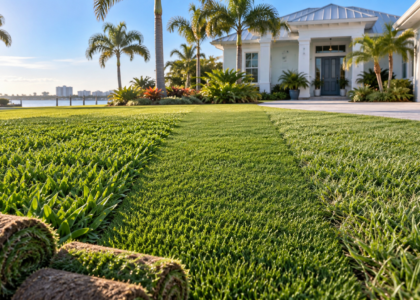
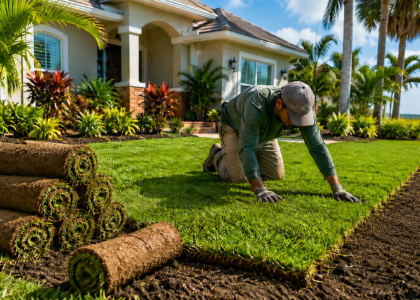
When new sod is appropriate, the soil, grade, drainage, and irrigation should be reviewed first. CDS Landscaping sod projects have a 1,000-square-foot minimum and a $1,500 labor minimum.
5. Design Irrigation Around the Landscape
An irrigation system should match the layout of the property rather than applying the same amount of water everywhere.
A thoughtful irrigation plan considers:
- Turf areas
- Planting beds
- Sun and shade
- Soil conditions
- Sprinkler placement
- Plant water needs
- Existing hardscape
- Drainage patterns
- Future plant growth
Sprinkler heads should be positioned so water reaches the intended area instead of repeatedly spraying fences, walls, driveways, and walkways.
Plants can also block spray patterns as they mature. An irrigation layout that works when plants are small may need adjustments later.
CDS Landscaping designs new irrigation systems using mapped head locations and separate coverage for plant beds. The company also evaluates existing systems, completes larger repair projects, and revamps systems that need broader updates.
6. Use Mulch Where It Fits the Design
Mulch can help define planting beds and cover exposed soil. It can also reduce the amount of bare ground where weeds may become established.
However, mulch should be installed thoughtfully.
A layer that is too deep can build up around plant bases and tree trunks. Old mulch should be checked before more is added so the bed does not continue rising each season.
Good mulch practices include:
- Clearing leaves and debris first
- Removing excessive old material
- Keeping mulch away from plant stems
- Maintaining defined bed edges
- Using a consistent material throughout connected areas
- Checking for buried irrigation parts
- Avoiding piles around tree trunks
Mulch is one part of the landscape. It does not correct poor drainage, unsuitable soil, or a plant installed in the wrong location.
7. Include Shade in the Landscape Plan
Shade can affect how quickly soil and paved surfaces heat up during the day.
Existing trees, palms, shrubs, and structures may already provide shade in useful areas. New plantings can also be arranged to create layers and reduce large sections of exposed soil.
Shade planning should be done carefully. A tree that is planted too close to the home, walkway, patio, or underground utilities may create other concerns as it matures.
Consider the direction of the sun, available root space, mature canopy size, and the location of nearby features.
Smaller plants can also benefit from filtered light created by taller plantings. The goal is to match each plant with the conditions it can reasonably handle rather than assuming every part of the yard should receive full sun.
8. Address Drainage Before Adding New Landscaping
Water-efficient landscaping is not only about dry conditions. Florida yards also need to handle periods of heavy rain.
A low area may collect water from the roof, driveway, neighboring property, irrigation system, and surrounding landscape. Adding new plants, mulch, or sod without addressing that water may lead to repeated problems.
Warning signs of poor drainage include:
- Standing water
- Soft soil
- Washed-out mulch
- Bare lawn areas
- Water collecting near the house
- Erosion along bed edges
- Puddles near downspouts
- Water flowing across walkways
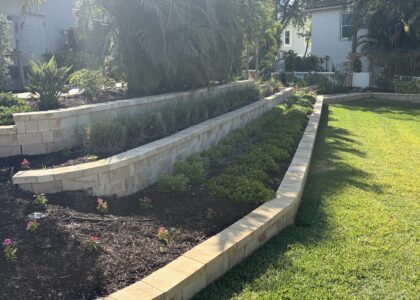
Possible drainage solutions may include grading, catch basins, underground pipes, French drains, downspout connections, emitter drains, channel drains, or a pump system.
The correct option depends on where the water comes from and where it can be directed. Drainage should be considered before new beds, sod, patios, walkways, or retaining walls are installed.
9. Keep the Design Simple and Maintainable
A Florida-friendly landscape does not need a large number of plant varieties.
Using a smaller group of suitable plants throughout the property can create a more connected design. Repeating colors, leaf shapes, and plant groupings may also make the yard easier to understand.
A manageable landscape plan may include:
- Clearly defined planting beds
- Plants with enough room to grow
- Open lawn where it is useful
- Consistent mulch or decorative material
- Easy access to irrigation components
- Clear walking routes
- A limited number of focal points
- Space around structures and equipment
Maintenance should be considered before installation. Fast-growing plants may need frequent trimming. Plants that drop heavy debris may be a poor fit beside a pool or patio. Narrow strips of grass may be difficult to mow.
A good design should reflect how much ongoing care the property owner is prepared to provide.
Do Florida-Friendly Yards Need Irrigation?
Florida-friendly landscaping does not automatically mean irrigation is unnecessary.
New plants often need consistent attention while they become established. Turf, planting beds, and mature landscaping may also need supplemental watering during dry periods.
The irrigation system should be designed around the property rather than used as a substitute for proper plant placement.
A yard with suitable plants can still perform poorly if sprinkler coverage is uneven. The same is true when plants receive too much water because they share a zone with turf.
An irrigation evaluation can help identify blocked heads, poor coverage, outdated layouts, and areas where the watering pattern no longer matches the landscape.
Can an Existing Yard Become More Water-Efficient?
A complete landscape replacement is not always necessary.
An existing property may be improved in phases by:
- Removing poorly placed plants
- Thinning crowded beds
- Replacing struggling plants
- Adjusting irrigation coverage
- Reducing difficult lawn sections
- Correcting drainage concerns
- Adding mulch to prepared beds
- Redesigning one area at a time
A landscape cleanout or renovation can help reveal which parts of the existing yard are worth keeping. Mature trees, palms, shrubs, patios, and walkways may remain part of the updated plan.
The first step is identifying the areas that require the most water, maintenance, or repeated replacement. Improvements can then focus on the conditions causing those problems.
Plan a Florida-Friendly Landscape With CDS Landscaping
A water-efficient Florida landscape begins with careful planning. Plant selection, spacing, lawn size, irrigation, mulch, shade, drainage, and maintenance all affect how the yard performs.
CDS Landscaping provides landscape design and installation, landscape renovation, irrigation, drainage, sod installation, cleanouts, and hardscape services in St. Petersburg, Seminole, Largo, Pinellas Park, Clearwater, and surrounding areas.
The team can evaluate the property and develop a landscape plan based on the yard’s sunlight, soil, drainage, irrigation, available space, and intended use.
Contact CDS Landscaping to schedule an onsite evaluation and discuss Florida-friendly landscaping ideas for your property.