A yard can become difficult to manage faster than many homeowners expect. Weeds spread through landscape beds, shrubs grow across windows and walkways, dead plants remain in place, and leaves or branches collect around patios and fences.
At first, these issues may seem like routine weekend projects. However, a property with widespread overgrowth or heavy debris may require more time, equipment, and hauling than a homeowner can reasonably handle alone.
Professional yard cleanup services can help remove unwanted growth, clear neglected areas, and prepare the property for future landscaping. The goal is not simply to make the yard look cleaner for a few days. A thorough cleanup should reveal the condition of the landscape and make it easier to decide what to trim, remove, repair, or redesign.
Signs Your Yard Needs More Than Routine Maintenance
Regular mowing, light trimming, and leaf removal may be enough for a well-maintained property. A more complete landscape cleanup may be appropriate when several problems have developed at the same time.
Common signs include:
- Shrubs covering windows or walkways
- Weeds filling most landscape beds
- Vines growing over fences or other plants
- Dead plants that have not been removed
- Heavy leaf, palm, or branch debris
- Grass spreading into planting areas
- Mulch that is buried beneath weeds and leaves
- Irrigation heads hidden by plant growth
- Patios or pavers covered by soil and debris
- Parts of the yard that are difficult to enter or maintain
These conditions can make it difficult to understand the original layout of the property. Clearing the excess growth helps the team evaluate the yard more accurately.
What Is Included in a Landscape Cleanup?
The exact work depends on the size and condition of the property. A small cleanup may focus on a few overgrown beds, while a heavily neglected yard may require work throughout the front, back, and side areas.
A professional cleanup may include:
- Removing weeds and unwanted growth
- Trimming overgrown shrubs
- Removing dead or declining plants
- Clearing leaves and branches
- Cleaning out landscape beds
- Removing vines and volunteer plants
- Cutting back growth around walkways
- Clearing access to irrigation equipment
- Removing old or excessive landscape material
- Hauling away the resulting debris
Plan a cleanup around the plants and features that will remain. Healthy trees, palms, shrubs, and established landscape elements may still be useful, so keep them unless there is a reason to remove them.
Clearing Overgrown Shrubs
Shrubs can quickly outgrow the locations where they were originally planted.
They may block windows, cover address numbers, narrow walkways, or grow into neighboring plants. Constant trimming may temporarily control the size, but it may not solve the problem when the plant is too large for the space.
During a yard cleanup, the team evaluates each shrub individually. Some may only need selective trimming. Others may be unhealthy, poorly placed, or too large to maintain successfully in their current locations.
Removing every mature shrub can leave a property looking empty. The better approach is to preserve plants that still fit the landscape and remove those that create recurring problems.
Removing Weeds and Unwanted Growth
Weeds can spread through mulch, plant beds, cracks between pavers, fence lines, and open soil.
Large weeds may compete with desired plants for water, light, and growing space. Vines may also climb through shrubs and become difficult to separate without damaging the plants underneath.
Simply cutting the visible tops may not provide lasting improvement. Roots, seeds, and underground growth may remain.
A cleanup can remove heavy weed growth and expose the condition of the soil and plant beds. However, you will still need ongoing weed control after the initial service.
Removing Dead and Declining Plants
Dead plants can make a landscape look neglected and may take up space that could be used more effectively.
However, a plant that looks unhealthy should not automatically be removed without considering why it declined. The problem may involve shade, excess water, inadequate irrigation, poor soil, pests, or unsuitable placement.
A cleanup can remove plants that are clearly dead, badly damaged, or no longer useful. Then review the empty space before choosing a replacement.
Installing the same type of plant in the same conditions may lead to another failure. The replacement should match the sunlight, drainage, available space, and irrigation in that part of the yard.
Cleaning Out Landscape Beds
Landscape beds often become difficult to maintain when grass, weeds, leaves, and old mulch build up over time.
A complete bed cleanup may involve removing unwanted growth, clearing debris, trimming the remaining plants, and redefining the edges.
Once the team clears the bed, it becomes easier to see whether the plants have enough space and whether the original shape still fits the yard.
The cleanup may also reveal:
- Hidden irrigation heads
- Exposed roots
- Low or wet soil
- Damaged landscape edging
- Erosion
- Plants growing too close together
- Areas where mulch has become excessively deep
The team can then address these conditions in a later landscape renovation or maintenance plan.
Clearing Leaves, Branches, and Palm Debris
Florida yards may collect palm fronds, leaves, seed pods, small branches, and other organic material throughout the year.
Debris often gathers behind shrubs, beside fences, beneath trees, and in corners around patios or equipment. It may also cover drainage openings or become mixed into landscape beds.
Removing this buildup can improve the appearance of the property and provide easier access for future maintenance.
Have the team haul debris away instead of moving it into another hidden section of the yard. Leaving piles behind may create another cleanup problem later.
Cleaning Around Patios and Walkways
Overgrown plants and loose debris can reduce the usable space around patios, paver walkways, and entrances.
Shrubs may grow across the edges, while soil and mulch can wash onto the surface. Weeds may also spread through joints or cracks.
A cleanup can open the walking area, remove loose material, and reveal whether the surface has settled or become uneven.
Cleaning alone will not correct base failure or drainage problems. If pavers continue to sink or collect water, an installer may need to evaluate the underlying conditions separately.
Restoring Access to Irrigation Equipment
Plant growth, leaves, mulch, and soil can cover irrigation heads, valve boxes, and other system components.
Blocked sprinkler heads may water the wrong area or fail to provide adequate coverage. Hidden equipment can also be difficult to inspect and repair.
A yard cleanup can clear access to these components so the team can test the irrigation system properly.
After cleanup, check each irrigation zone for leaks, blocked spray patterns, broken heads, and overspray.
Identifying Drainage Problems During Cleanup
Heavy growth can hide drainage problems.
Once the team removes weeds, leaves, and unwanted plants, homeowners may discover low areas, erosion, standing water, washed soil, or blocked drainage openings.
Correct these issues before installing new sod, mulch, plants, or hardscape materials.
Adding decorative materials without addressing the water problem may only hide it temporarily. Heavy rain can quickly wash away the new work or damage replacement plants.
A cleanup provides a clearer view of how water moves through the yard and where additional drainage work may be needed.
Cleaning Up a Property Before Selling or Moving In
Yard cleanup services may be helpful before listing a home for sale or shortly after purchasing one.
An overgrown landscape can hide walkways, outdoor features, and the true size of the yard. Clearing the property can make it easier to evaluate the condition of the lawn, irrigation, drainage, plants, and hardscaping.
New homeowners may also inherit a landscape that does not fit their needs or preferred maintenance level.
A cleanup can serve as the first step before deciding which features to keep and which areas to renovate.
Preparing for Landscape Renovation
Some yards need more than cleaning and trimming.
A property may require landscape renovation when most plants have outgrown their locations, the lawn is badly damaged, drainage problems affect several areas, or the layout no longer works.
Cleanup usually comes before renovation because it exposes the shape and condition of the property.
After the team removes the unwanted material, the next phase may include:
- Redesigning landscape beds
- Installing new plants
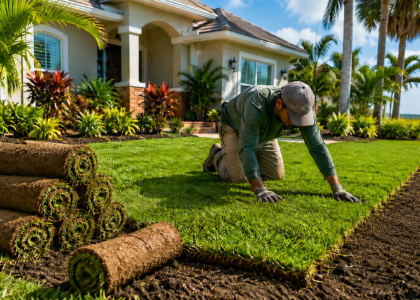
- Replacing damaged grass with sod
- Updating irrigation
- Correcting drainage
- Adding a patio or walkway
- Installing landscape lighting
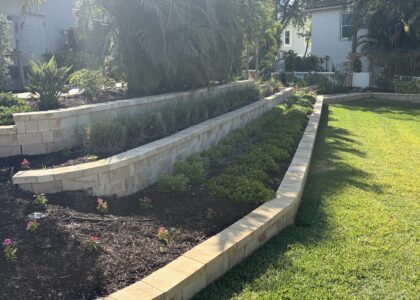
- Building a retaining wall
- Replacing or installing a fence
Plan these improvements together so one part of the project does not interfere with another.
Avoid Removing Everything Without a Plan
A severely overgrown yard may make complete removal seem like the easiest option. However, clearing every plant can eliminate useful shade, privacy, and mature landscape structure.
Healthy trees, palms, shrubs, and other established plants may still contribute to the finished design.
The cleanup should distinguish between unwanted growth and valuable landscaping. A mature plant may only need trimming and additional space around it.
When major removal is necessary, consider a replacement plan before clearing the entire yard.
Consider Your Long-Term Maintenance Goals
The cleanup process is a good time to decide how much future maintenance you want.
Some homeowners enjoy detailed planting beds and frequent garden work. Others prefer a simpler yard with open lawn areas, fewer shrubs, and clearly defined borders.
Consider whether the existing landscape contains:
- Too many fast-growing plants
- Shrubs that require constant trimming
- Beds that are difficult to weed
- Plants with unsuitable water needs
- Grass in areas with too much shade
- Narrow spaces that are hard to mow
- Heavy leaf or flower drop near patios
A redesigned landscape should fit the amount of time and effort the homeowner is willing to provide.
How to Keep the Yard From Becoming Overgrown Again
A professional cleanup can reset the property, but it does not prevent future growth.
Ongoing care may include:
- Regular trimming
- Weed control
- Leaf and debris removal
- Mulch maintenance
- Irrigation inspections
- Lawn care
- Drainage checks
- Replacing plants that no longer fit
Clear bed lines and proper plant spacing can make maintenance easier. Selecting plants according to their mature size can also reduce the need for constant cutting.
A manageable landscape plan is more likely to remain attractive after the initial cleanup is complete.
Professional Yard Cleanup Services in St. Petersburg
An overgrown yard can hide the potential of a property and make routine maintenance feel overwhelming. Clearing weeds, debris, dead plants, crowded beds, and unwanted growth can create a cleaner starting point for future improvements.
CDS Landscaping provides yard cleanup services in St. Petersburg, Seminole, Largo, Pinellas Park, Clearwater, and surrounding communities. The team can also coordinate cleanup with landscape renovation, sod installation, irrigation, drainage, patios, pavers, retaining walls, fencing, and lighting.
Contact CDS Landscaping to request a quote and discuss the cleanup needs of your property.