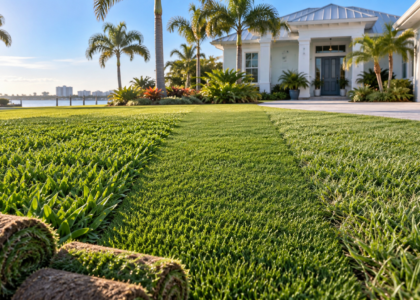
A healthy lawn can make a home look more welcoming and help connect patios, walkways, plant beds, and other parts of the landscape. When large sections of grass become thin, muddy, uneven, or covered with weeds, small repairs may no longer be enough.
Florida lawns face several challenges throughout the year. Strong sunlight, periods of heavy rain, sandy soil, irrigation problems, insects, shade, and regular foot traffic can all affect the health of the grass.
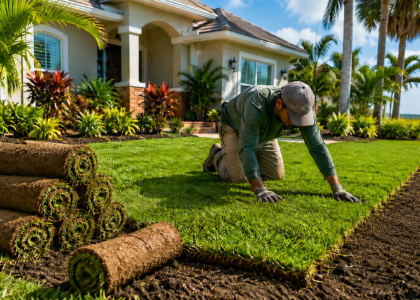
Lawn renovation focuses on identifying why the grass is struggling and correcting those conditions before damaged areas are repaired or replaced. Depending on the property, the project may involve removing old grass, improving the soil, correcting drainage, adjusting irrigation, grading the yard, or installing new sod.
Understanding the source of the problem is the first step toward creating a lawn that has a better chance of becoming established.
What Is Lawn Renovation?
Lawn renovation is the process of improving a damaged, uneven, or unhealthy lawn.
The work can range from correcting a few problem areas to removing most of the existing grass and installing new sod. It may also include improvements to irrigation, drainage, soil preparation, and grading.
A lawn renovation project may involve:
- Removing weeds and damaged grass
- Clearing leaves, roots, rocks, and debris
- Correcting low or uneven areas
- Improving soil conditions
- Repairing irrigation coverage
- Addressing standing water
- Preparing the surface for sod
- Installing a suitable grass variety
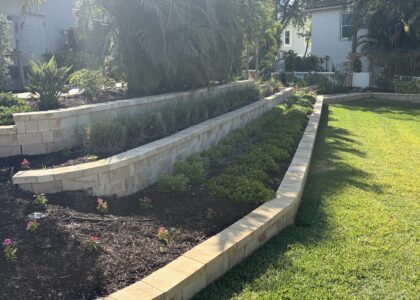
- Creating cleaner borders around landscape beds
The right approach depends on how much of the lawn is damaged and why the grass declined.
Signs Your Lawn May Need Renovation
A few thin spots do not always require a complete lawn replacement. However, widespread or recurring problems may indicate that the lawn needs more extensive work.
Signs may include:
- Large bare areas
- Heavy weed growth
- Grass that remains thin despite regular care
- Repeated yellow or brown sections
- Soggy areas that stay wet after rain
- Uneven ground or settled soil
- Exposed roots
- Grass that fails beneath heavy shade
- Areas damaged by construction or equipment
- A lawn that has several different grass varieties
The pattern of the damage can provide clues about the cause. A wet area near a downspout may point to drainage, while a dry section may indicate poor irrigation coverage.
Why Florida Lawns Become Damaged
There is rarely one cause that applies to every yard.
Florida properties may have sandy soil that drains quickly in some locations and compacted or low soil that holds water in others. Sunlight can also vary greatly across the same yard.
Common causes of lawn decline include:
- Improper watering
- Broken or blocked irrigation heads
- Poor drainage
- Heavy shade
- Soil compaction
- Erosion
- Foot traffic
- Pet activity
- Insects or lawn disease
- Unsuitable grass selection
- Construction damage
- Salt exposure in coastal areas
Replacing the grass without identifying the cause can lead to another damaged lawn.
Begin With a Complete Property Assessment
Before removing the old grass, inspect the entire property.
Look at the lawn after rain and while the irrigation system is operating. Note where water collects, where the soil dries quickly, and where grass grows differently from nearby sections.
The assessment should consider:
- Hours of direct sunlight
- Tree and building shade
- Soil condition
- Property slope
- Roof runoff
- Downspout locations
- Irrigation coverage
- Nearby patios and walkways
- Landscape bed borders
- Traffic patterns
A successful lawn renovation should fit the conditions of the property instead of relying on the same solution in every area.
Determine Whether the Lawn Can Be Repaired
Not every damaged lawn needs to be completely replaced.
Small bare areas may be repaired when the surrounding grass is healthy and the underlying problem can be corrected. Minor irrigation adjustments or selective sod replacement may be enough.
A larger renovation may make more sense when weeds cover most of the lawn, several sections have failed, or the surface is uneven throughout the property.
Homeowners should compare the amount of healthy grass with the time and cost required to repair many individual areas. Repeated patching may become less practical when the lawn has widespread damage.
Check Irrigation Before Installing Sod
New sod needs consistent watering during establishment, making dependable irrigation especially important.
Run every irrigation zone and watch the spray pattern. Look for:
- Broken sprinkler heads
- Clogged nozzles
- Leaking lines
- Overspray onto pavement
- Dry areas between spray patterns
- Heads blocked by plants
- Water striking walls or windows
Changes to the yard may have made the original irrigation layout less effective. A landscape bed may have expanded, or a shrub may now block a sprinkler that once watered the lawn.
Irrigation repairs and adjustments should generally happen before the new sod is installed.
Address Standing Water and Drainage
Grass may struggle when the soil remains wet for long periods.
Standing water can be caused by low spots, compacted soil, roof runoff, poor grading, irrigation leaks, or water entering from another part of the property.
Look for:
- Puddles that remain after storms
- Soft or muddy soil
- Water gathering near patios
- Washed-out landscape beds
- Grass that is yellow in low areas
- Soil erosion
- Water flowing across walkways
Drainage should be addressed before lawn replacement. Installing sod over a wet area may hide the problem temporarily, but the new grass may eventually decline.
The appropriate drainage solution depends on the source and direction of the water.
Prepare the Soil and Surface
Sod should be installed over a properly prepared surface.
Old grass, weeds, roots, rocks, and debris may need to be removed. The soil should be graded to create an even surface and direct water appropriately.
Low areas may need correction, but simply adding soil without considering drainage can move water toward the home, patio, or neighboring property.
The prepared soil should provide good contact with the sod roots. Large air pockets, loose debris, or an uneven base can make establishment more difficult.
Soil preparation is one of the most important parts of lawn renovation, even though it will not be visible after the sod is installed.
Choose Grass for the Property Conditions
The appearance of a grass variety is important, but it must also match the property.
Different grasses vary in their tolerance for sunlight, shade, foot traffic, salt, drought, and maintenance.
Before selecting sod, consider:
- Daily sunlight
- Amount of shade
- Irrigation availability
- Expected foot traffic
- Pet use
- Coastal exposure
- Desired appearance
- Maintenance expectations
A grass that performs well in full sun may struggle in a shaded side yard. A property may need a different landscape solution in areas where grass repeatedly fails.
The best option is not always to install sod in every open space.
Consider Alternatives for Deeply Shaded Areas
Heavy shade is a common reason lawns become thin.
Tree canopies, fences, neighboring buildings, and covered patios can reduce the amount of light reaching the grass. Trimming may improve sunlight in some areas, but it should not damage healthy trees or create unsafe growth.
Where grass has failed repeatedly, the area may be better suited for:
- An expanded landscape bed
- Shade-tolerant plants
- Mulch
- A paver walkway
- Decorative stone
- Another suitable ground treatment
Using the right material for the conditions can create a more finished appearance than repeatedly replacing unhealthy grass.
Remove Weeds Before New Sod Installation
Heavy weeds should be addressed before the lawn is replaced.
Installing sod directly over existing weeds can create an uneven surface and allow unwanted growth to return through gaps or weak areas.
The removal process depends on the type and amount of vegetation. Old grass, weeds, and roots may need to be cleared so the new sod can contact the prepared soil.
Future weed prevention also depends on maintaining healthy grass. Thin or stressed lawns leave more open space for weeds to grow.
Plan the Lawn Around Landscape Beds
Landscape beds and lawn areas should have clear boundaries.
Grass that grows into beds can make the yard look unfinished and increase maintenance. Plants installed too close to the lawn may also block irrigation or make mowing difficult.
During lawn renovation, consider whether existing beds should be reshaped or expanded. Plants should have enough space to reach their mature size without constantly growing into the grass.
Clean bed edges can improve the overall appearance of the property and make routine care more manageable.
Coordinate Sod With Patios and Walkways
Patios, pavers, driveways, and walkways affect the lawn’s elevation and drainage.
The new sod should meet these surfaces at a practical height. Soil that is too high may wash onto the pavement, while soil that is too low may create an uneven edge.
Hard surfaces can also direct water into the lawn. The slope around the patio or walkway should be reviewed before installation.
If pavers have settled or become uneven, correcting those areas before the lawn renovation may prevent completed sod from being disturbed later.
Protect Trees and Existing Plants
Lawn renovation should not damage healthy trees, palms, or landscape plants.
Adding too much soil over tree roots can affect their growing conditions. Equipment and excavation should also be planned around major roots and trunks.
Existing plants should be reviewed before work begins. Some may need protection, trimming, or temporary access clearance.
Healthy features can remain part of the updated landscape instead of clearing the entire yard without a plan.
Understand the Early Watering Period
New sod needs dependable moisture while its roots begin growing into the soil below.
The watering schedule depends on the grass, weather, soil, sunlight, and installation conditions. The sod should not be allowed to dry out during early establishment, but it should not remain flooded.
Watering may need to be adjusted during periods of heavy rain. Continuing the same irrigation schedule after repeated storms can leave the soil overly wet.
Homeowners should follow the installer’s and sod supplier’s instructions for the specific grass used.
Avoid Heavy Traffic on New Sod
New sod needs time to establish before it can handle regular activity.
Heavy foot traffic, pets, furniture, lawn equipment, and vehicles can move pieces of sod or create low spots while the soil is soft.
Access should be limited during the early period. People may need to use existing walkways or designated routes rather than crossing the entire lawn.
The exact establishment period varies based on the grass, season, watering, and site conditions.
Do Not Mow Too Early
Mowing new sod before it is rooted can pull or shift the grass.
Before the first mowing, the sod should resist gentle lifting and the ground should be firm enough for equipment without creating ruts.
The mower blade should be sharp, and only a limited amount of leaf height should be removed at one time.
Cutting the grass too short can place additional stress on a newly established lawn.
Prepare for Ongoing Maintenance
A renovated lawn still needs regular care after establishment.
Ongoing maintenance may include:
- Appropriate mowing
- Irrigation checks
- Weed monitoring
- Lawn pest inspections
- Edge maintenance
- Debris removal
- Drainage checks
- Repairing small damaged areas
The maintenance plan should be appropriate for the grass variety and property conditions.
A lawn that receives too much or too little water may decline even when the installation was completed properly.
When Lawn Renovation Should Be Part of a Larger Project
Sometimes damaged grass is only one part of a larger landscape problem.
The yard may also contain overgrown plants, failing irrigation, drainage problems, uneven pavers, or outdated landscape beds.
In these cases, it may be more efficient to coordinate the lawn renovation with:
- Landscape cleanout
- Landscape design
- Plant installation
- Drainage improvements
- Irrigation repairs
- Paver installation
- Patio work
- Retaining walls
- Landscape lighting
Completing underground and structural work first helps protect the new sod from being removed or damaged later.
Professional Lawn Renovation in St. Petersburg
A damaged lawn may need more than new grass. The best results begin with understanding the sunlight, drainage, irrigation, soil, grade, and daily use of the property.
CDS Landscaping provides lawn renovation, sod installation, landscape design, irrigation, drainage, cleanout, and hardscape services in St. Petersburg, Seminole, Largo, Pinellas Park, Clearwater, and surrounding communities.
Contact CDS Landscaping to request a quote and discuss the right approach for renovating or replacing your Florida lawn.