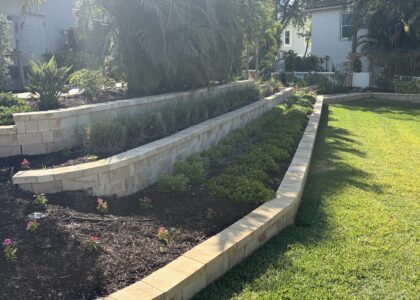
A landscape cleanout can refresh an overgrown yard without a complete redesign. In many cases, the first step is removing excess growth, clearing neglected beds, and deciding which parts of the existing landscape should stay.
A professional landscape cleanout is more involved than basic lawn maintenance. It may include trimming overgrown shrubs and palms, thinning selected trees, removing unwanted plants, clearing old leaves and mulch from beds, and hauling away the resulting debris.
The goal is to bring an overgrown or neglected property back to a clean and manageable condition. A cleanout may be completed as a stand-alone project or used as the first phase of a larger landscape renovation.
How can you tell when your property is ready for one? Here are seven common signs.
1. Shrubs and Plants Have Grown Into Each Other
Healthy plants need enough room for air, sunlight, and new growth. When shrubs are planted too close together or are left untrimmed for a long time, they may begin growing into walkways, windows, fences, and neighboring plants.
At that point, small touch-ups may not be enough. The landscape can begin to look like one large mass instead of a group of individual plants.
During a cleanout, overgrown shrubs can be cut back based on their condition and growth pattern. Some may only need shaping or thinning. Others may need to be removed if they are unhealthy, badly placed, or no longer fit the landscape.
The goal is not to cut everything down. It is to identify what can be restored, what should be removed, and how much space each remaining plant needs.
2. Landscape Beds Are Filled With Leaves and Old Mulch
Florida landscape beds can collect layers of leaves, palm debris, weeds, sticks, and old mulch. Over time, the original edges may disappear and the plants can become difficult to see.
Adding a fresh layer of mulch over an unprepared bed can cover the problem without correcting it. Before new mulch or plants are added, the bed may need to be raked out and cleared.
A landscape bed cleanout may include:
- Removing loose leaves and fallen branches
- Raking out old or excessive mulch
- Removing unwanted plants and weeds
- Trimming plants that have spread beyond the bed
- Redefining the border between the bed and lawn
- Preparing open areas for replacement plants or mulch
Clearing the bed makes it easier to see the condition of the soil, existing plants, irrigation components, and edging.
3. You Cannot See the Original Landscape Design
Many landscapes begin with clear plant groupings, open spaces, and defined borders. After several growing seasons, that structure may be difficult to recognize.
Plants may cover decorative features, block windows, spill over edging, or hide smaller plants. Volunteer growth may also appear in places where it was never intended.
A cleanout can reveal the original layout and help determine whether it still works for the property. Once the excess growth is removed, the homeowner and landscaping team can decide whether the yard only needs cleanup or whether a renovation would make more sense.
This is one reason cleanouts are often completed before landscape design work. It is difficult to plan a useful layout when the condition of the existing yard is hidden beneath overgrowth and debris.
4. Storms Have Left Branches and Landscape Debris Behind
Strong wind and heavy rain can leave branches, palm fronds, leaves, and damaged plant material throughout a property. Even after the largest debris is picked up, smaller material may remain trapped inside shrubs and landscape beds.
Storm debris can also make it harder to see which plants are still healthy. Some may recover with selective trimming, while others may be damaged enough to justify removal.
A landscape cleanout can address the property as a whole rather than treating each pile of debris separately. The team can clear fallen material, trim affected plants, remove plants that are no longer suitable, and haul away the debris created during the work.
The cleanout may also uncover other issues that should be evaluated, such as washed-out beds, exposed irrigation parts, erosion, or areas where water repeatedly collects.
5. The Yard Has Become Too Difficult to Maintain
A landscape can slowly reach a point where regular upkeep takes more time than the property owner can reasonably provide. Fast-growing shrubs, palms, oak tree growth, crowded beds, and repeated debris buildup may make the yard feel unmanageable.
This often happens when a property has not received detailed landscape care for several seasons. It may also occur after a home is purchased, inherited, rented, or left vacant for a period of time.
An initial cleanout can bring the property back to a condition that is easier to maintain. Afterward, the owner may choose to handle normal upkeep or arrange periodic professional cleanup.
CDS Landscaping offers quarterly cleanup service after the initial cleanout. The property can be reviewed every three months and brought back to an orderly condition before the growth becomes overwhelming again.
6. You Are Planning a Larger Landscaping Project
A clean work area makes it easier to evaluate and prepare for a new landscape project. If the yard is filled with unwanted plants, old mulch, branches, and heavy overgrowth, those materials may need to be removed before installation begins.
A landscape cleanout may be the first phase before:
- Landscape design and installation
- Landscape renovation or restoration
- Sod installation
- Irrigation installation
- Drainage improvements
- Landscape lighting
- A new vinyl, aluminum, or wood fence
- Paver installation
- Retaining wall installation
The cleanout allows the team to see the grade, available space, existing irrigation, drainage patterns, and plant material that may remain.
Project minimums should also be considered when planning additional work. CDS Landscaping requires a minimum of 1,000 square feet for sod installation and has a $1,500 labor minimum for sod work.
Paver projects have a minimum size of 100 square feet and a $2,500 project minimum. Retaining wall projects generally have a $2,500 labor minimum.
Fence work is limited to new installations using vinyl, aluminum, or wood. A five-panel minimum applies.
7. Small Cleanup Efforts Are No Longer Making a Difference
Picking up a few branches or trimming one shrub can help with normal upkeep. It may not be enough when problems exist throughout the entire property.
A full cleanout may be more appropriate when every bed needs attention, several plants require removal, shrubs are heavily overgrown, and a large amount of material needs to be hauled away.
Trying to address these issues one small section at a time can also make it difficult to create a consistent result. One bed may look refreshed while the surrounding areas remain crowded and neglected.
A professional cleanout begins with a walkthrough of the property. The team can identify which areas need trimming, clearing, removal, or new plant material. The scope and price can then be based on the property’s actual condition and the desired outcome.
What Is Included in a Landscape Cleanout?
The exact work depends on the size, condition, and layout of the property. Not every yard needs every service.
A landscape cleanout from CDS Landscaping may include:
- An onsite property evaluation
- Trimming and thinning shrubs
- Trimming palms and selected oak tree growth as needed
- Removing unwanted or unhealthy plants
- Adding replacement plants when included in the plan
- Raking leaves and old material from landscape beds
- Removing old or excessive mulch
- Clearing landscape debris
- Hauling away debris created by the project
The team will review the landscape with the property owner and determine what should be addressed. Some customers use the cleanout as the beginning of a larger renovation. Others simply want to restore the yard to a cleaner and more manageable condition.
CDS Landscaping has a $3,000 minimum charge for cleanout services. This makes the service more appropriate for substantial property cleanups rather than small piles of branches or basic weekly maintenance.
Cleanout or Landscape Renovation?
A cleanout focuses on clearing, trimming, thinning, and restoring order to the existing yard. It may also include limited plant replacement when needed.
A landscape renovation usually involves more extensive changes. It may include redesigning beds, replacing large groups of plants, adjusting irrigation, improving drainage, installing new sod, or adding hardscape features.
Some properties need only a thorough cleanout. Others reveal a need for renovation once the excess growth and debris are removed.
Starting with an onsite review helps determine the right scope. It also helps avoid removing plants or features that could remain part of the updated landscape.
Schedule a Landscape Cleanout
A landscape cleanout may be the right next step if your property has overgrown shrubs, crowded beds, unwanted plants, storm debris, or areas that have become difficult to maintain.
CDS Landscaping provides professional cleanout services in St. Petersburg, Seminole, Largo, Pinellas Park, Clearwater, and surrounding areas. Each project begins with a walkthrough to identify what should be trimmed, removed, cleared, or preserved.
Contact CDS Landscaping to arrange an onsite evaluation and discuss whether your property needs a stand-alone cleanout or preparation for a larger landscape project.