South Tampa yard drainage problems can turn an attractive lawn into a muddy space that is hard to use. After a heavy rain, you may notice puddles that remain for several days, soft soil near the house, washed-out mulch, or water collecting around a patio or pool deck.
These problems are common in South Tampa, where flat properties, heavy rain, roof runoff, and changes in grading can affect how water moves through a yard. Some drainage problems are easy to see. Others only become noticeable after repeated rain or when parts of the landscape begin to struggle.
The right solution depends on where the water comes from, where it collects, and whether there is a suitable place to direct it. Before installing a drain or adding soil, it is important to look at the property as a complete system.
Here are the warning signs, causes, and possible solutions South Tampa homeowners should understand.
Signs of South Tampa Yard Drainage Problems
A puddle just after a storm does not always call for major drainage work. The bigger concern is water that remains in the same area long after the rain has stopped.
Common warning signs include:
- Standing water that remains for one or more days
- Soft or muddy soil in frequently used areas
- Water collecting close to the house
- Mulch or soil washing out of landscape beds
- Bare spots where grass has difficulty growing
- Water flowing across a driveway, patio, or walkway
- Puddles forming near downspouts
- Erosion along slopes or landscape borders
- Water collecting between neighboring properties
- Pool deck drains that overflow or drain slowly
It can help to walk around the property during or shortly after a strong rain. Watching the direction of the water may reveal where runoff begins, which areas receive the most water, and where the flow stops.
What Causes Standing Water in South Tampa Yards?
Drainage problems rarely have only one cause. A low area may collect water from the roof, irrigation system, neighboring property, and surrounding hard surfaces at the same time.
Improper Yard Grading
Grading refers to the shape and slope of the ground. A properly graded yard should direct water toward a suitable drainage area instead of allowing it to settle next to the house or in the middle of the lawn.
Landscaping projects, soil movement, erosion, and construction can change the grade over time. Even a small low spot may collect a surprising amount of water during heavy rain.
Roof and Downspout Runoff
A roof can direct a large amount of water toward a few downspouts. When a downspout empties beside the house or into a low section of the yard, the surrounding soil may remain saturated.
Extending or connecting downspouts to underground drainage pipes may help move roof water toward a more appropriate discharge area.
Compacted or Poorly Draining Soil
Soil that is tightly compacted may absorb water slowly. This is common in areas that receive heavy foot traffic, construction activity, or repeated equipment use.
Adding plants or sod without addressing the underlying drainage issue may not correct the problem. The water still needs a way to move away from the low or compacted area.
Runoff From Hard Surfaces
Driveways, patios, walkways, and pool decks do not absorb water like soil does. Rain flows across these surfaces and collects along their edges.
If the surrounding grade or drainage system cannot manage that runoff, water may settle near a patio, flow into a landscape bed, or collect close to the house.
Clogged or Undersized Drains
Existing drains may stop working properly when they fill with leaves, dirt, roots, mulch, or other debris. Some older channel drains may also be too small for the amount of water moving across a pool deck or patio.
Cleaning may solve a minor blockage. In other cases, the drain or connected pipe may need to be replaced with a system that can manage the flow more effectively.
Common South Tampa Yard Drainage Solutions
There is no single drainage system that is right for every yard. A professional assessment should consider the source of the water, the slope of the property, nearby structures, existing drains, and the available discharge area.
Grade Correction
Grade correction reshapes part of the yard so water can move away from a problem area. This may involve removing soil, adding soil, or changing the slope around the lawn and landscape beds.
An installer may use grading alone or combine it with catch basins and underground pipes. The goal is to create a clear path for water instead of allowing it to settle in a low spot.
Catch Basins
An installer places a catch basin where surface water commonly collects. Water enters through the grate and moves into an underground pipe.
Catch basins may be useful near downspouts, landscape beds, patios, or low sections of the lawn. Their placement is important. A basin installed outside the natural flow of water may not collect runoff effectively.
French Drains
A French drain generally uses a perforated pipe surrounded by drainage rock. Water enters through the rock and pipe, then flows away from the wet area.
French drains may help manage water that moves through the soil rather than water flowing rapidly across the surface. The design, depth, slope, and outlet must fit the conditions of the yard.
Field Drain Systems
Field drains help collect and disperse water below the surface. A system may include underground pipes and rock that provide space for excess water to move into the surrounding ground.
This system may suit a lawn or open area where water often collects. First, an installer should assess the soil and available space.
Downspout Drainage
When roof runoff adds to standing water, an installer may connect downspouts to buried pipes. The pipes carry water toward the front yard, street area, or another suitable location.
The installer should choose the discharge point carefully. Moving water away from one problem area should not create a new drainage issue elsewhere on the property.
Emitter Drains
A pop-up emitter sits near the end of an underground drainage pipe. Water pressure opens the emitter and releases the water at the surface.
Installers often place emitters toward the front of a property, where the slope lets water keep moving away. The emitter and pipe need to remain clear so the system can operate properly.
Sump Pump Systems
Some yards do not have enough natural slope for water to move through a gravity-fed pipe. In these situations, a sump pump can push water toward a discharge area.
Installers generally reserve pump systems for more difficult drainage conditions. The installation must account for the amount of water, the pumping distance, access to power, and the water outlet location.
Pool Deck Channel Drains
Pool decks can collect significant runoff because the surface does not absorb rain. Channel drains collect water along the deck edge and direct it into connected pipes.
If an existing channel drain is narrow, clogged, or damaged, it may drain too slowly during heavy rainfall. An installer may recommend a larger, serviceable channel drain based on the deck layout and water volume.
Planning South Tampa Yard Drainage With a Full Assessment
Installing a drain without identifying the source of the water can lead to disappointing results. For example, a low area may appear to be the main problem even though most of the water is coming from a nearby downspout.
A drainage assessment should answer several questions:
- Where does the water begin?
- Which direction does it naturally flow?
- What surfaces contribute runoff?
- Are there low or compacted areas?
- Does the property have enough slope for gravity drainage?
- Where can water flow without causing problems?
- Are existing pipes or drains blocked?
- Will the work affect nearby landscaping?
These details help determine whether the property needs grading, surface collection, underground piping, a pump, or a combination of solutions.
Can Landscaping Be Repaired After Drainage Work?
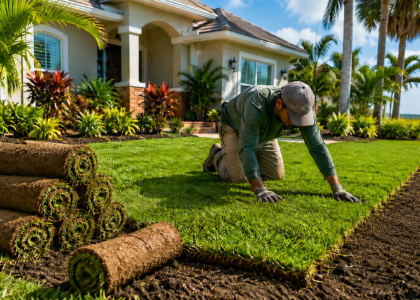
Drainage installation may require digging trenches, removing soil, or working through parts of the lawn and landscape beds. After installing the drains, the crew can backfill the disturbed areas and prepare them for restoration.
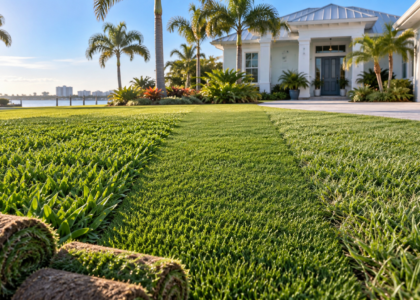
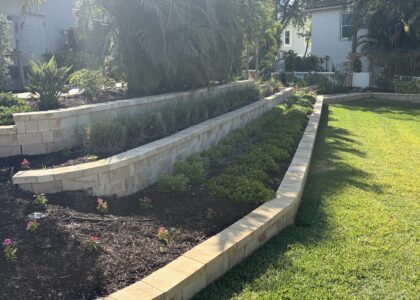
Depending on the project, restoration may include grading, new sod, landscape bed improvements, pavers, or other landscape work. CDS Landscaping provides drainage solutions along with landscape design, sod installation, landscape renovation, irrigation installation, cleanouts, pavers, and retaining walls.
Sod installation projects have a 1,000-square-foot minimum and a $1,500 labor minimum. Paver projects have a 100-square-foot minimum and a $2,500 project minimum. Retaining wall projects generally have a $2,500 labor minimum.
Get Help With South Tampa Yard Drainage
A drainage specialist should assess standing water across the whole property. The solution may be as simple as redirecting a downspout, or it may require grading, catch basins, underground piping, an emitter drain, a French drain, or a sump pump system.
CDS Landscaping provides drainage solutions in South Tampa, St. Petersburg, Seminole, Largo, Pinellas Park, Clearwater, and surrounding areas. The team can inspect the property, identify likely sources of excess water, and recommend a drainage plan based on the yard’s conditions.
Contact CDS Landscaping to schedule an assessment if water continues to collect in your lawn, landscape beds, patio area, or near your home after heavy rain.