Spring gives Florida homeowners a good opportunity to look closely at their outdoor spaces. Plants may be overgrown, grass may have thin areas, irrigation coverage may be uneven, and landscape beds may no longer have the clean appearance they once had.
A spring landscaping project can address these concerns before the hotter months and heavier seasonal rain arrive. The work may involve a simple cleanup, or it may grow into a more complete landscape renovation that improves the appearance and function of the property.
For homeowners in St. Petersburg, Seminole, Largo, and surrounding communities, spring is a practical time to evaluate plants, sod, irrigation, drainage, hardscaping, and outdoor lighting.
Begin With a Walk Around the Property
Before purchasing plants or scheduling major work, walk around the property and make a list of the areas that need attention.
Look at the yard from several viewpoints, including the street, front entrance, patio, windows, and property lines. An area that looks acceptable from one angle may appear crowded or unfinished from another.
Common issues to look for include:
- Overgrown shrubs blocking windows or walkways
- Dead, damaged, or unhealthy plants
- Bare or thinning areas of grass
- Weeds growing through landscape beds
- Faded or washed-out mulch
- Standing water after irrigation or rain
- Broken or uneven pavers
- Poorly defined landscape borders
- Irrigation heads that are damaged or blocked
- Dark walkways and entrances
The purpose of this review is to separate minor maintenance needs from larger design problems. A shrub may only need trimming, while another may have outgrown its location and need to be replaced.
Start With a Landscape Cleanout
A thorough cleanout can make one of the biggest immediate differences in an outdoor space.
Landscape cleanouts may include removing weeds, leaves, fallen branches, dead plants, vines, old mulch, and other unwanted material. Overgrown shrubs can be trimmed, while plants that are unhealthy or poorly placed can be removed.
Cleaning the property also makes it easier to identify hidden concerns. Heavy plant growth may cover irrigation heads, drainage openings, damaged edging, or areas where soil has washed away.
It is important to avoid removing everything without a plan. Healthy trees, palms, shrubs, and established plants may still contribute value to the landscape. The goal should be to preserve useful features while clearing space for improvements.
Evaluate Plants Before Adding More
Spring garden centers are often filled with colorful plants, but appearance should not be the only factor in plant selection.
Each plant should be chosen according to the conditions where it will be installed. Consider the amount of sunlight, expected mature size, soil conditions, drainage, and water requirements.
A small shrub can eventually grow wide enough to block a walkway or cover part of the house. Plants installed too close together may also become crowded and require constant trimming.
When planning new landscape beds, consider using a combination of plant heights and textures. Taller plants can provide structure or privacy, while shorter plants can add color near walkways and bed edges.
Florida-friendly plants may be easier to manage when they are properly matched to the property. However, even plants that perform well in Florida need suitable sunlight, water, spacing, and soil conditions.
Refresh the Shape of Landscape Beds
Landscape beds often lose their original shape as grass spreads, mulch washes away, and plants grow beyond their intended boundaries.
Creating cleaner bed lines can make the entire yard look more organized. Curved or straight borders may be used depending on the style of the home and landscape.
Homeowners should also consider whether existing beds are too small for the plants growing inside them. Expanding a bed may provide more room for mature growth and reduce the need to trim plants constantly.
Fresh mulch can help complete the updated appearance. Mulch may also help retain soil moisture and limit weed growth. It should be applied evenly and kept away from direct contact with tree trunks and plant stems.
Check the Condition of the Lawn
Grass can become thin or damaged because of shade, poor irrigation, insects, disease, heavy foot traffic, drainage problems, or unsuitable growing conditions.
Before installing new sod, determine why the previous grass struggled. Replacing the lawn without correcting the underlying issue may lead to the same result.
Areas with too much shade may require a different landscaping approach. Low areas may need drainage or grading improvements. Compacted or uneven soil may need preparation before sod is installed.
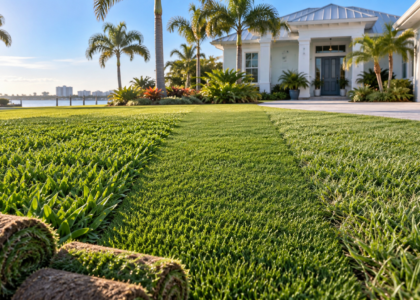
New sod should be selected according to the property’s sunlight, use, and maintenance expectations. Proper site preparation and consistent early watering are important while the roots become established.
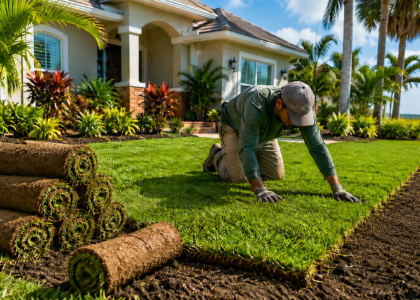
A professional sod installation can help create an even surface and improve the overall appearance of the property, but the lawn will still require appropriate irrigation and ongoing care.
Test the Irrigation System
An irrigation system should be checked before Florida’s hotter weather increases watering demands.
Run each irrigation zone and watch how the water moves across the lawn and plant beds. Look for damaged heads, blocked spray patterns, leaks, overspray, and areas receiving too much or too little water.
Plants may grow in front of irrigation heads over time and prevent water from reaching the intended area. Changes to landscape beds can also make the original irrigation layout less effective.
Different parts of the yard may have different water needs. Grass, shrubs, and newly installed plants may not require the same watering schedule. An irrigation system should be designed and adjusted around the current landscape rather than the way the property looked several years ago.
Correcting irrigation problems can help protect new plants, sod, and other landscaping investments.
Prepare for Seasonal Rain
Florida landscapes must be able to handle periods of heavy rain. Spring is a good time to identify drainage concerns before the wettest part of the year.
Walk around the yard after rainfall and look for standing water, washed-out mulch, eroded soil, or water gathering near the foundation. Also check whether downspouts are directing water into low areas or landscape beds that remain wet.
Drainage problems can affect plants, grass, pavers, and the usability of the yard. Constant moisture may also create muddy areas and make routine lawn care more difficult.
Possible drainage improvements depend on the layout and elevation of the property. Solutions may include adjusting the grade, redirecting water, improving soil conditions, or installing a suitable drainage system.
Drainage should be evaluated before installing new sod, plants, patios, or walkways. Correcting the problem afterward may require completed landscaping to be disturbed.
Improve Walkways and Outdoor Areas
Spring landscaping does not have to focus only on plants and grass. Hardscape features can improve how people move through and use the yard.
Paver walkways can create a defined path from the driveway to the entrance, around the side of the house, or between outdoor spaces. A paver patio can provide a stable area for seating, dining, or grilling.
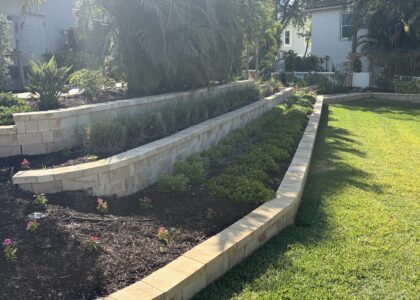
Retaining walls may be used to manage changes in elevation, define landscape beds, or help control soil movement in certain areas.
Existing pavers should also be inspected. Uneven, loose, or damaged sections may need attention. Weeds and debris in the joints can make the area look neglected even when the pavers themselves remain in good condition.
Any hardscape project should account for drainage, irrigation lines, furniture placement, and access through the yard.
Add Landscape Lighting
Landscape lighting can improve the appearance of a property after sunset while making entrances, steps, and walkways easier to see.
Lighting does not need to cover every part of the yard. A few carefully placed fixtures can highlight trees, palms, architectural details, landscape beds, and gathering areas.
Path lighting can help define walking routes, while accent lighting can add depth to the front or back yard. Fixtures should be positioned so they provide useful light without shining directly into windows or neighboring properties.
Existing lighting systems should be checked for damaged fixtures, exposed wires, weak connections, and lights blocked by plant growth.
Plan for Long-Term Maintenance
A successful spring landscape should continue to look good after the initial work is completed.
Before finalizing a design, consider how much regular care it will require. Large numbers of fast-growing plants may need frequent trimming. Detailed planting beds may require more weeding and cleanup than a simpler layout.
Homeowners should think about:
- How often they want to trim plants
- How much lawn they want to maintain
- Whether plants will outgrow their locations
- How easily irrigation equipment can be accessed
- How fallen leaves and debris will be removed
- Whether the design fits their available maintenance time
A lower-maintenance landscape does not have to be plain. Careful plant spacing, defined beds, dependable irrigation, and durable hardscaping can create an attractive yard without making it difficult to manage.
Know When a Full Landscape Renovation Is Needed
Some properties need more than seasonal cleanup and planting.
A complete landscape renovation may be appropriate when the layout no longer works, most plants are overgrown, the lawn repeatedly fails, drainage problems affect several areas, or the outdoor space does not fit the homeowner’s needs.
Landscape renovation can combine several improvements into one coordinated project. This may include a cleanout, new plant installation, sod replacement, irrigation changes, drainage work, pavers, retaining walls, and landscape lighting.
Planning these features together can prevent conflicts. For example, drainage and irrigation should usually be addressed before new sod or hardscaping is completed.
Create a Fresh Start for Your Florida Yard
Spring landscaping can range from cleaning and trimming to a full redesign of the property. The best approach begins with understanding what is working, what needs to change, and how the outdoor space will be used.
CDS Landscaping provides landscape design, renovation, sod installation, irrigation, drainage, cleanout, lighting, and hardscape services in St. Petersburg, Seminole, Largo, and surrounding areas.
Contact CDS Landscaping to request a quote and begin planning a spring landscape refresh that fits your property and goals.