A yard can change considerably over time. Plants become overgrown, weeds spread, drainage problems appear, and areas that once looked carefully planned may begin to feel crowded or neglected. Even a well-designed landscape can lose its shape after years of Florida sun, heavy rain, plant growth, and changing property needs.
Landscape renovation gives homeowners a way to improve an existing yard without always starting completely from scratch. The process focuses on identifying what is still working, removing what is no longer useful, and creating an outdoor space that is healthier, easier to maintain, and more attractive.
For homeowners in St. Petersburg and surrounding communities, renovating an aging landscape can also help address problems caused by Florida’s heat, seasonal rainfall, sandy soil, and fast plant growth.
What Is Landscape Renovation?
Landscape renovation is the process of updating or restoring an existing outdoor space. It may involve a simple cleanup and new plant installation, or it may include major changes to the layout, irrigation, drainage, sod, patios, walkways, and other landscape features.
Unlike routine lawn maintenance, renovation looks at the overall condition and function of the property. The goal is to create a long-term improvement instead of temporarily trimming back an overgrown area.
A landscape renovation project may include:
- Removing overgrown or unhealthy plants
- Cleaning out weeds, vines, leaves, and landscape debris
- Replacing damaged or outdated landscape materials
- Installing plants that are better suited to the property
- Improving drainage in areas that hold water
- Updating or installing an irrigation system
- Replacing worn or patchy grass with new sod
- Adding pavers, walkways, borders, or retaining walls
- Creating more usable outdoor living areas
The exact work depends on the current condition of the yard and what the homeowner wants to accomplish.
Signs Your Yard May Need Landscape Renovation
Some landscaping problems can be corrected with trimming, fertilization, or routine maintenance. Other problems may continue returning until the underlying design or site conditions are addressed.
One of the most obvious signs is excessive plant growth. Shrubs may block windows, plants may grow into walkways, and tree branches can make areas feel dark or crowded. Cutting everything back may provide temporary relief, but plants that are too large for their location often become a recurring problem.
Bare spots, dead grass, and struggling plants may also point to deeper issues. The area may receive too much shade, too much sun, poor irrigation coverage, or improper drainage. Replacing plants without correcting those conditions can lead to the same results.
A landscape may also need renovation when:
- The yard no longer matches the homeowner’s style
- The property was landscaped by a previous owner
- Plants require more care than the homeowner can provide
- Water gathers near the house or in low areas
- Walkways and landscape beds have lost their shape
- The irrigation system does not provide even coverage
- The outdoor space is difficult to use or move through
- The landscape looks outdated compared with the home
Renovation allows these concerns to be addressed as part of one coordinated plan.
Starting With a Property Assessment
A successful landscape renovation should begin with a careful assessment of the property. Before plants are removed or new materials are installed, the existing landscape should be examined closely.
This includes reviewing the amount of sunlight different areas receive, the condition of the soil, the health of existing plants, irrigation coverage, drainage patterns, and the location of permanent structures.
It is also important to identify which parts of the landscape are worth keeping. A healthy tree, established palm, mature shrub, or existing patio may be incorporated into the updated design. Keeping useful features can help preserve the character of the property while reducing unnecessary work.
The assessment also gives the homeowner an opportunity to explain how the outdoor area will be used. A family may need open lawn space, while another homeowner may prefer larger plant beds, improved privacy, a sitting area, or a more attractive entrance.
Removing Overgrowth and Unwanted Materials
Many renovation projects begin with a landscape cleanout. This can include removing weeds, invasive growth, dead plants, unwanted shrubs, old mulch, damaged borders, and other debris.
Clearing these materials makes it easier to see the true shape of the property. It can also uncover issues that were hidden by heavy growth, including standing water, damaged irrigation lines, eroded soil, and uneven ground.
However, removing too much vegetation without a plan can leave a property looking empty or exposed. The cleanout should support the final design, with healthy plants protected when they can be used successfully in the renovated space.
Choosing Plants for the Updated Landscape
Plant selection plays an important role in how the renovated yard will look and how much maintenance it will require.
Plants should be selected according to their mature size, sunlight requirements, water needs, and placement. A shrub that looks small at the time of installation may eventually grow several feet wider or taller. Planning for mature growth helps prevent future crowding and constant trimming.
Florida-friendly plants can be especially helpful because they are selected for conditions commonly found in the region. The right combination of plants can add color, texture, shade, and privacy while making the landscape easier to manage.
Plant placement should also create balance throughout the property. Taller plants may be used near walls or property lines, while shorter plants can define walkways and the fronts of landscape beds. Layering plants of different sizes can make a yard look fuller without making it feel overcrowded.
Addressing Irrigation and Drainage
A landscape can only remain healthy when water is managed properly. Too little water may cause grass and plants to decline, while too much water can contribute to root problems, erosion, standing water, and muddy areas.
During a landscape renovation, the irrigation system should be reviewed to determine whether it provides proper coverage. Changes to plant beds, sod areas, or hardscaping may require irrigation heads or watering zones to be adjusted.
Drainage should also be considered before new plants or materials are installed. Low areas, poorly directed downspouts, compacted soil, and improper grading may cause water to collect after heavy rain.
Depending on the property, drainage improvements may involve adjusting the grade, redirecting water, installing drainage materials, or changing the landscape layout. Correcting these issues early helps protect the completed renovation.
Adding Sod and Hardscape Features
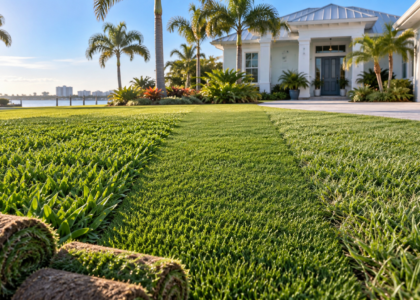
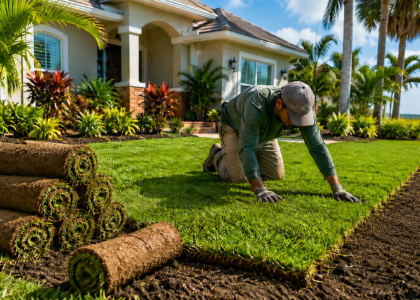
New sod can help complete a renovated landscape by replacing patchy, damaged, or weed-filled grass. Proper preparation is important because sod needs good soil contact, even watering, and appropriate site conditions to establish successfully.
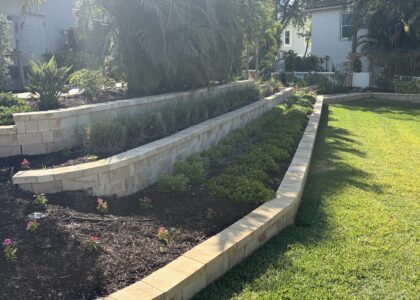
Hardscape features can also improve both the appearance and function of the yard. Paver patios, walkways, landscape borders, and retaining walls can create defined spaces and make outdoor areas easier to use.
These features should be planned together with plants, drainage, and irrigation. Installing each part separately without considering the complete design may create layout problems or require finished work to be changed later.
Creating a Yard That Is Easier to Maintain
A renovated landscape should not only look better when it is completed. It should also be practical for the homeowner to maintain.
This may mean reducing the number of plants that require frequent trimming, creating clearer bed lines, improving access to irrigation equipment, replacing struggling plants, or adding mulch to help control weeds and retain moisture.
Homeowners should consider how much time they want to spend caring for the property. A detailed tropical landscape may require more attention than a simpler design with open lawn areas and carefully selected shrubs.
There is no single landscape style that works for every property. The best design is one that fits the home, site conditions, budget, and homeowner’s long-term expectations.
Restore the Potential of Your Outdoor Space
An overgrown or outdated yard does not always need to be completely removed and rebuilt. Landscape renovation can preserve the strongest parts of the property while correcting problems and introducing a more attractive, functional design.
CDS Landscaping provides landscape renovation and restoration services for homeowners in St. Petersburg, Seminole, Largo, and surrounding areas. Each project can be planned around the property’s current condition, water needs, outdoor features, and the homeowner’s goals.
A thoughtful renovation can turn an underused or difficult yard into an outdoor space that feels organized, welcoming, and easier to enjoy.
Contact CDS Landscaping to request a quote for landscape renovation and learn what improvements may be possible for your property.