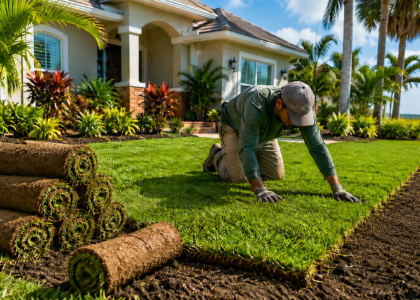
A garden path can do more than provide a place to walk. It can guide people through the yard, connect outdoor areas, define landscape beds, and make frequently used routes easier to navigate.
Pavers are a popular option for garden paths because they are available in different sizes, shapes, textures, and patterns. However, choosing an attractive paver is only one part of the project. The path also needs a suitable layout, a properly prepared base, stable edges, and a plan for managing rainwater.
A walkway that looks simple on the surface may require careful preparation underneath. Before installation begins, it helps to understand how the path will be used and how it should fit into the surrounding landscape.
Start With the Purpose of the Path
The first step is deciding what the walkway needs to accomplish.
Some paths create a direct route from the driveway to the front entrance. Others connect a patio to a side yard, garden, gate, pool area, or backyard seating space. A path may also be added to replace an area where repeated foot traffic has worn away the grass.
Ask a few basic questions before choosing materials:
- Where should the path begin and end?
- Who will use it most often?
- Will people carry tools, trash containers, or outdoor equipment along it?
- Does the route need to connect with an existing patio or walkway?
- Should the path be straight, curved, or divided into sections?
- Will nearby plants grow into the walking area?
A clear purpose makes it easier to select the right width, pattern, and location.
Choose a Practical Route
A garden path should follow the way people naturally move through the property. A walkway that takes an unnecessary detour may be ignored in favor of a shorter route across the lawn.
Direct paths often work well between frequently used areas. Curved paths may fit better in larger gardens where the goal is to create a slower, more relaxed route.
Curves should appear intentional rather than random. Too many sharp turns can make the path harder to build and less comfortable to use. Gentle curves are usually easier to follow and can help the walkway blend with planting beds.
It is also important to look for obstacles. Irrigation equipment, drains, tree roots, utility areas, gates, fences, and downspouts may affect where the path can be installed.
Plan the Right Width
The proper width depends on how the path will be used.
A narrow stepping-stone route may work through a small planting area. A main walkway used by several people should normally provide more room. Paths used to move outdoor equipment may also need additional width.
Consider whether two people should be able to walk beside each other. Also think about anything that may need to travel along the path, including wheelbarrows, trash bins, lawn equipment, or garden carts.
The width should remain reasonably consistent. Sudden narrow sections can make the path feel cramped and may direct foot traffic onto nearby grass or planting areas.
Select Pavers That Match the Property
Pavers should complement the surrounding home and landscape without needing to match every existing material exactly.
Traditional homes may work well with pavers that have softer edges, blended colors, or a brick-like appearance. Modern properties may suit larger units, cleaner lines, and simple patterns.
Consider the color of the home, roof, patio, retaining walls, and existing hardscape. A sample can look very different when viewed across a larger area, so it helps to compare several pieces together in natural light.
Texture also matters. Highly textured pavers may have a rustic appearance, while smoother styles can create a cleaner look. The finished surface should be suitable for outdoor walking and the intended use of the path.
Avoid selecting materials based only on a small showroom sample. The paver should fit the scale, colors, and overall style of the property.
Think Carefully About the Pattern
The pattern affects both the appearance of the walkway and the number of cuts required during installation.
Common options include running bond, basketweave, herringbone, and more irregular layouts. Simple patterns can work especially well on narrow or curved walkways because they reduce visual clutter.
More detailed patterns may require additional cutting, planning, and material. Borders can also be added to frame the walkway or separate the main field from the landscape beds.
The pattern should support the shape of the path. A design that looks attractive on a wide patio may not fit a narrow garden walkway as well.
Do Not Skip Base Preparation
The visible pavers are only the top layer of the walkway. The preparation below them plays a major role in how the surface performs.
The installation area generally needs to be excavated to make room for the base, leveling layer, and pavers. The soil should be evaluated and compacted before the base material is installed.
A properly prepared base helps create an even surface and reduces movement. The depth and materials may vary based on soil conditions, drainage, paver thickness, and the expected use of the walkway.
Simply placing pavers over soil or a thin layer of loose sand may lead to uneven sections. Low spots can develop, individual units may move, and edges may spread.
Professional installation allows the base to be prepared as part of the entire walkway system rather than treating the pavers as a surface-only feature.
Account for Florida Rain and Drainage
Water should be considered before the path is installed.
A walkway needs a slight pitch so rain can move off the surface rather than settling between low areas. The direction of that slope is important. Water should not be directed toward the home, a doorway, or another area that already has drainage problems.
Nearby downspouts, patios, pool decks, and rooflines may add runoff to the area. A path that crosses a naturally wet part of the yard may require more than basic surface grading.
Standing water beside the walkway may also affect the surrounding landscape. Soil can wash into the joints, mulch may move across the pavers, and nearby planting beds may remain saturated.
In some cases, drainage work may need to be completed before or during the walkway installation. The correct approach depends on the grade of the yard, the source of the water, and where it can be directed.
Use Edge Restraints
The outer edges help keep the pavers and joint material contained.
Without proper restraint, the units along the sides may begin moving outward. This can open joints, affect the pattern, and create an uneven border.
The type of edge depends on the walkway design. Some paths use a concrete border, while others may include a paver border or another restraint system.
Landscape beds should not be expected to hold the walkway in place by themselves. Soil, mulch, and plant roots can shift, especially during periods of heavy rain.
Stable edges give the finished path a cleaner outline and help separate it from the surrounding lawn or garden beds.
Plan Around Plants and Roots
A garden path should leave enough space for nearby plants to mature.
Small shrubs may eventually grow wider than expected. Palms and trees may develop roots that affect the area around the path. Ground cover can also spread across the edges and narrow the walking surface.
Before installation, consider the mature size of each nearby plant. The walkway should not require constant heavy trimming just to remain usable.
Existing tree roots deserve special attention. Cutting major roots or installing a rigid walkway directly over them may affect the tree or the path. The route may need to be adjusted to avoid conflict.
A thoughtful layout can allow the garden and walkway to work together without placing them too close.
Decide Between Solid Pavers and Stepping Stones
Not every garden route needs a fully paved walkway.
A solid paver path may be appropriate for a main entrance, frequently used side yard, or route that needs a continuous walking surface. Stepping stones may work well in a quieter garden area with lighter traffic.
Stepping stones can be installed with decorative rock or planting material between them. The spacing should feel natural and comfortable for walking.
The choice depends on use, appearance, drainage, maintenance expectations, and project size. A professional site review can help determine which approach fits the property.
Understand Basic Paver Maintenance
Paver walkways still require occasional care.
Leaves and landscape debris should be removed before they build up in the joints. Weeds that appear around the edges or between units should be addressed before they spread. Joint material may also need attention over time.
Stains are usually easier to manage when they are treated promptly and with a method appropriate for the paver material.
Homeowners should also watch for settled areas, loose edge units, or sections where water begins to collect. Early attention may prevent a small issue from affecting a larger portion of the path.
Avoid assuming that any outdoor surface will remain unchanged without maintenance. The amount of care depends on the location, surrounding plants, drainage, and level of use.
Know When Professional Installation Makes Sense
A short decorative stepping-stone route may be manageable as a small project. A full paver walkway requires more planning, excavation, grading, compaction, cutting, and edge work.
Professional installation may be a better fit when:
- The walkway connects important areas of the property
- The route has curves or elevation changes
- Drainage is already a concern
- The soil is soft, wet, or uneven
- The path must match an existing patio
- A detailed pattern or border is desired
- A large amount of excavation is required
- The project is part of a larger landscape plan
CDS Landscaping installs paver patios and walkways, brick edging, stepping-stone paths, retaining walls, and other hardscape features. Paver projects have a minimum size of 100 square feet and a $2,500 project minimum.
Plan Your Garden Path With CDS Landscaping
A successful paver garden path begins with more than choosing a color and pattern. The route, width, base, drainage, edges, and surrounding plants all affect the finished walkway.
CDS Landscaping provides hardscape and landscape installation services in St. Petersburg, Seminole, Largo, Pinellas Park, Clearwater, and surrounding areas. The team can evaluate the property and help plan a walkway that fits the existing yard and how the space will be used.
Contact CDS Landscaping to discuss a paver walkway, stepping-stone path, or larger hardscape project for your property.